
(ICFCPRS - 26) | Hybrid Event
22nd - 23rd July 2026 |
Bridgetown, Barbados
(ICFCPRS - 26) | Hybrid Event
22nd - 23rd July 2026 |
Bridgetown, Barbados
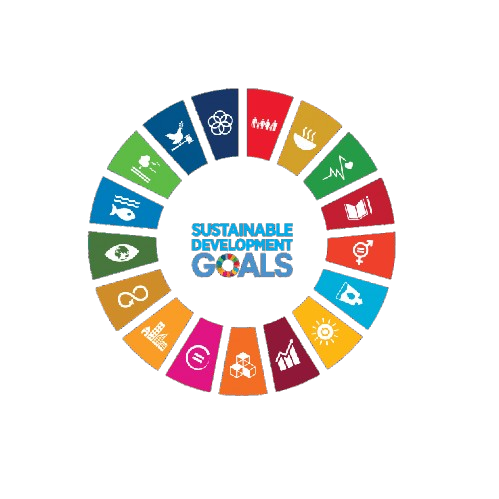
Aligned with
This conference contributes to global sustainability by aligning its research discussions and academic sessions with key United Nations Sustainable Development Goals. It fosters knowledge exchange, innovation, and collaborative engagement.
 SDG 1 — No Poverty
 SDG 2 — Zero Hunger
 SDG 4 — Quality Education
 SDG 8 — Decent Work and Economic Growth
 SDG 10 — Reduced Inequalities
 SDG 11 — Sustainable Cities and Communities
 SDG 12 — Responsible Consumption and Production
 SDG 16 — Peace, Justice and Strong Institutions
 SDG 17 — Partnerships for the Goals
This track explores various ethnographic methodologies applied to the study of food cultures. Participants will discuss how these approaches illuminate the intricate relationships between food practices and societal norms.
This session focuses on the role of food in shaping individual and collective identities. Presentations will examine how culinary traditions serve as narratives that reflect and construct cultural heritage.
This track investigates how globalization influences local food consumption practices. Scholars will analyze the tensions between global food trends and traditional dietary customs.
This session delves into the social dimensions of food within communities. Participants will explore how communal eating practices foster social cohesion and cultural continuity.
This track examines the dynamic nature of food traditions in the face of modernization and change. Presenters will discuss how heritage foods adapt while retaining their cultural significance.
This session highlights the connections between food, memory, and identity through ethnographic lenses. Scholars will present research that illustrates how culinary practices evoke personal and collective memories.
This track focuses on the role of food practices in driving social change within communities. Presentations will explore how food activism and sustainable practices challenge existing social structures.
This session investigates the impact of globalization on local food movements. Participants will analyze how these movements advocate for traditional practices while responding to global pressures.
This track explores the intersection of culinary heritage and identity politics. Presenters will discuss how food serves as a site of resistance and affirmation for marginalized communities.
This session emphasizes the significance of ethnographic research in understanding food practices. Scholars will share insights on how ethnography contributes to the broader discourse on food cultures.
This track examines the interconnectedness of food practices across global networks. Presentations will highlight how transnational food exchanges shape local identities and community dynamics.












SNRI maintains uninterrupted academic processes in the current global situation. Participants can engage and publish through online and blended conference formats.
PLEASE READ: CLOSING ENABLED IN 20S