
(ICECCCP - 26) | Hybrid Event
18th - 19th August 2026 |
Oruro, Bolivia
(ICECCCP - 26) | Hybrid Event
18th - 19th August 2026 |
Oruro, Bolivia
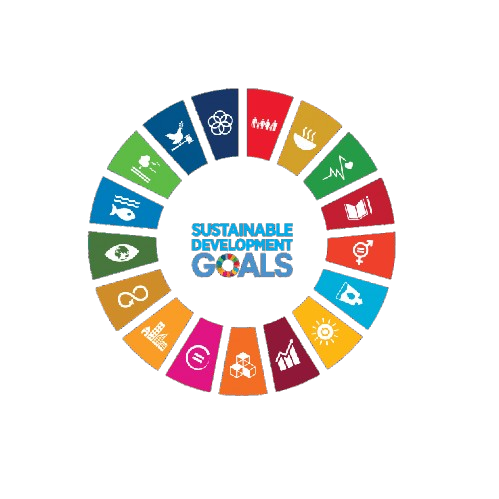
Aligned with
This conference contributes to global sustainability by aligning its research discussions and academic sessions with key United Nations Sustainable Development Goals. It fosters knowledge exchange, innovation, and collaborative engagement.
 SDG 6 — Clean Water and Sanitation
 SDG 9 — Industry, Innovation and Infrastructure
 SDG 11 — Sustainable Cities and Communities
 SDG 12 — Responsible Consumption and Production
 SDG 13 — Climate Action
 SDG 14 — Life Below Water
 SDG 15 — Life on Land
 SDG 17 — Partnerships for the Goals
This track focuses on the latest innovations in environmental catalysis, emphasizing the development of novel catalysts that enhance reaction efficiency. Participants will explore the role of catalysis in mitigating environmental impacts and promoting sustainability.
This session addresses the pervasive issue of microplastics, examining their sources, environmental impacts, and potential remediation strategies. Discussions will include innovative catalytic processes for the degradation and recycling of microplastics.
This track highlights the application of green chemistry principles in the context of a circular economy. Presentations will focus on sustainable chemical processes that minimize waste and enhance resource efficiency.
This session explores cutting-edge catalytic conversion technologies aimed at transforming waste materials into valuable products. Emphasis will be placed on sustainable methods that align with circular chemical processes.
This track delves into the latest advancements in chemical recycling technologies, addressing both the innovations and challenges faced in the field. Participants will discuss strategies for improving the efficiency and scalability of recycling processes.
This session focuses on eco-friendly reaction pathways that contribute to sustainable chemistry. Presentations will highlight methodologies that reduce environmental impact while maintaining chemical efficacy.
This track examines the role of catalysis in the degradation of various environmental pollutants. Researchers will present findings on effective catalytic systems that can neutralize harmful substances in diverse ecosystems.
This session emphasizes sustainable reaction engineering approaches that optimize chemical processes for environmental benefits. Discussions will cover the integration of sustainability metrics into reaction design and engineering.
This track focuses on the design and optimization of catalysts to improve performance in various chemical reactions. Participants will explore novel materials and strategies that enhance catalytic activity and selectivity.
This session highlights innovative approaches to achieving chemical sustainability across different sectors. Presentations will cover interdisciplinary strategies that integrate environmental, economic, and social dimensions of sustainability.
This track explores the design of environmental processes that support circular chemistry principles. Participants will discuss methodologies for creating closed-loop systems that minimize waste and promote resource recovery.










SNRI maintains uninterrupted academic processes in the current global situation. Participants can engage and publish through online and blended conference formats.
PLEASE READ: CLOSING ENABLED IN 20S