(ICPHUWS - 26) | Hybrid Event
6th - 7th July 2026 |
Fuzhou, China
(ICPHUWS - 26) | Hybrid Event
6th - 7th July 2026 |
Fuzhou, China
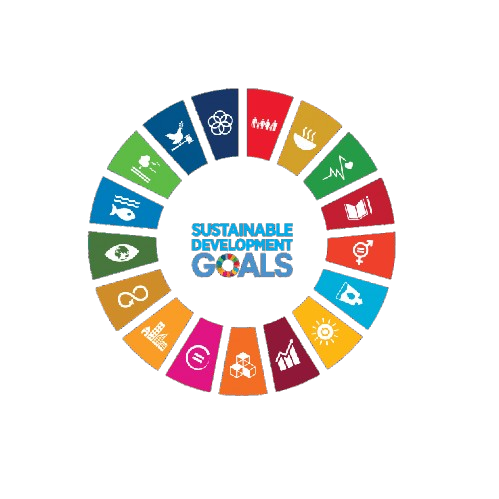
Aligned with
This conference contributes to global sustainability by aligning its research discussions and academic sessions with key United Nations Sustainable Development Goals. It fosters knowledge exchange, innovation, and collaborative engagement.
 SDG 1 — No Poverty
 SDG 3 — Good Health and Well-being
 SDG 6 — Clean Water and Sanitation
 SDG 9 — Industry, Innovation and Infrastructure
 SDG 10 — Reduced Inequalities
 SDG 11 — Sustainable Cities and Communities
 SDG 13 — Climate Action
 SDG 16 — Peace, Justice and Strong Institutions
This track focuses on the latest advancements in water treatment technologies aimed at improving drinking water quality. Discussions will include innovative methods for removing contaminants and enhancing the safety of urban water supplies.
This session will explore the relationship between water quality and public health, emphasizing the impact of waterborne diseases on urban populations. Researchers will present findings on disease prevalence and prevention strategies.
This track addresses the methodologies for assessing risks associated with urban water systems, including contamination and infrastructure failures. Participants will discuss frameworks for effective risk management and mitigation strategies.
This session highlights the importance of community involvement in achieving urban water security. Case studies will illustrate successful engagement strategies that empower local populations to participate in water management.
This track examines the development and implementation of policy frameworks that support sustainable water governance. Experts will discuss best practices and challenges in aligning policies with public health objectives.
This session focuses on the critical role of infrastructure planning in enhancing the resilience of urban water systems. Presentations will cover innovative designs and technologies that address climate adaptation and emergency preparedness.
This track delves into the methodologies and technologies used for environmental monitoring of water bodies. Participants will discuss the significance of real-time data in assessing water quality and informing public health decisions.
This session will explore strategies for promoting hygiene practices related to water use in urban settings. Research findings will highlight the impact of behavioral change on public health outcomes.
This track addresses the challenges of resource allocation in ensuring equitable access to safe water. Discussions will focus on strategies to overcome disparities in water distribution among urban communities.
This session highlights emerging monitoring technologies that enhance urban water security. Participants will share insights on the application of these technologies in real-time water quality assessment and management.
This track examines the impact of climate change on urban water systems and explores adaptation strategies. Experts will discuss the integration of climate resilience into water management practices to safeguard public health.







SNRI maintains uninterrupted academic processes in the current global situation. Participants can engage and publish through online and blended conference formats.
PLEASE READ: CLOSING ENABLED IN 20S