
(ICCRVE - 26) | Hybrid Event
5th - 6th August 2026 |
Guayaquil, Ecuador
(ICCRVE - 26) | Hybrid Event
5th - 6th August 2026 |
Guayaquil, Ecuador
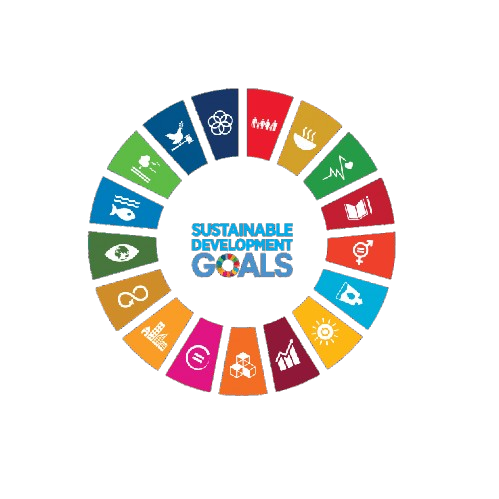
Aligned with
This conference contributes to global sustainability by aligning its research discussions and academic sessions with key United Nations Sustainable Development Goals. It fosters knowledge exchange, innovation, and collaborative engagement.
 SDG 1 — No Poverty
 SDG 8 — Decent Work and Economic Growth
 SDG 9 — Industry, Innovation and Infrastructure
 SDG 10 — Reduced Inequalities
 SDG 11 — Sustainable Cities and Communities
 SDG 12 — Responsible Consumption and Production
 SDG 13 — Climate Action
 SDG 16 — Peace, Justice and Strong Institutions
This track focuses on the development and implementation of innovative adaptation strategies tailored to the unique challenges faced by vulnerable economies. Participants will explore case studies and frameworks that enhance adaptive capacity in the face of climate change.
This session will delve into effective disaster risk reduction frameworks that can be employed in vulnerable economies. Emphasis will be placed on best practices that integrate local knowledge and scientific research to mitigate climate-related hazards.
This track examines the intersection of economic vulnerability and climate policy, highlighting the need for policies that support sustainable development in at-risk communities. Discussions will focus on policy frameworks that promote resilience and economic stability.
This session will highlight community-based adaptation approaches that empower local populations to address climate impacts. Participants will share experiences and strategies that foster resilience through community engagement and resource management.
This track will address methodologies for hazard assessment and the evaluation of climate impacts on vulnerable economies. Researchers will present findings that inform risk management and resilience planning efforts.
This session focuses on strategies to enhance the resilience of infrastructure in the context of climate change. Discussions will include innovative designs and technologies that can withstand climate-related stresses while supporting sustainable development.
This track explores the role of environmental governance in shaping effective climate policies for vulnerable economies. Participants will discuss frameworks that promote sustainable livelihoods and equitable resource management.
This session will investigate the socio-economic impacts of climate change on vulnerable populations. Presentations will focus on the interplay between climate resilience, economic stability, and community well-being.
This track emphasizes the importance of early warning systems in enhancing climate resilience. Participants will discuss technological advancements and community-based approaches that improve preparedness for climate-related disasters.
This session will explore strategies for promoting sustainable livelihoods in vulnerable economies affected by climate change. Discussions will focus on integrating environmental sustainability with economic development initiatives.
This track addresses the critical role of resource management in building climate resilience. Participants will share innovative practices and policies that ensure sustainable use of resources while mitigating climate impacts.









SNRI maintains uninterrupted academic processes in the current global situation. Participants can engage and publish through online and blended conference formats.
PLEASE READ: CLOSING ENABLED IN 20S