
(ICOPBSV - 26) | Hybrid Event
5th - 6th August 2026 |
Vantaa, Finland
(ICOPBSV - 26) | Hybrid Event
5th - 6th August 2026 |
Vantaa, Finland
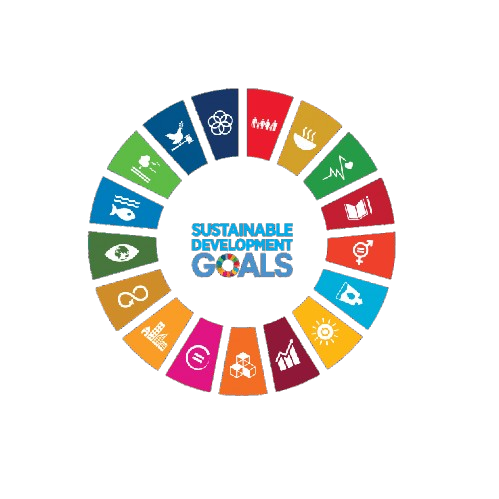
Aligned with
This conference contributes to global sustainability by aligning its research discussions and academic sessions with key United Nations Sustainable Development Goals. It fosters knowledge exchange, innovation, and collaborative engagement.
 SDG 6 — Clean Water and Sanitation
 SDG 9 — Industry, Innovation and Infrastructure
 SDG 12 — Responsible Consumption and Production
 SDG 13 — Climate Action
 SDG 14 — Life Below Water
 SDG 15 — Life on Land
This session will explore the sources and types of marine contaminants affecting ocean ecosystems. Emphasis will be placed on understanding their ecological impacts on marine biodiversity and species vulnerability.
This track will focus on innovative methodologies for monitoring ecosystem health in marine environments. Participants will discuss the effectiveness of various environmental monitoring techniques in assessing ecosystem resilience.
This session will investigate the direct and indirect effects of human activities on marine biodiversity. Researchers will present findings on how anthropogenic stressors alter species interactions and ecosystem dynamics.
This track will cover the latest advancements in pollution assessment methodologies and their application in marine settings. Discussions will include effective mitigation strategies to reduce pollutant loads in oceanic environments.
This session aims to examine the concept of ecological resilience in the face of pollution and habitat degradation. Presenters will share insights on factors that enhance or diminish resilience in marine ecosystems.
This track will delve into the complex interactions among marine species and how these relationships are influenced by environmental stressors. Participants will explore community dynamics under varying levels of pollution.
This session will focus on the use of ecological modeling to predict the impacts of pollution on marine ecosystems. Researchers will present models that simulate pollutant pathways and their effects on ecosystem functioning.
This track will address the various habitat stressors that contribute to species vulnerability in marine environments. Discussions will include case studies highlighting the interplay between habitat degradation and species survival.
This session will explore the chemical properties and behaviors of marine pollutants in oceanic systems. Participants will discuss the implications of these pollutants on marine life and ecosystem health.
This track will highlight effective conservation strategies aimed at protecting marine biodiversity from pollution and habitat loss. Presenters will share successful case studies and innovative approaches to conservation.
This session will investigate the role of oceanographic processes in the distribution and fate of pollutants in marine environments. Researchers will discuss how ocean currents and temperature gradients influence pollutant pathways.







SNRI maintains uninterrupted academic processes in the current global situation. Participants can engage and publish through online and blended conference formats.
PLEASE READ: CLOSING ENABLED IN 20S