
(ICMICD - 26) | Hybrid Event
22nd - 23rd July 2026 |
Nuuk, Greenland
(ICMICD - 26) | Hybrid Event
22nd - 23rd July 2026 |
Nuuk, Greenland
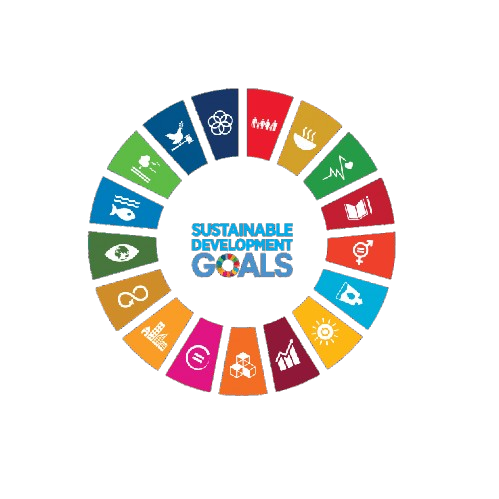
Aligned with
This conference contributes to global sustainability by aligning its research discussions and academic sessions with key United Nations Sustainable Development Goals. It fosters knowledge exchange, innovation, and collaborative engagement.
 SDG 3 — Good Health and Well-being
 SDG 4 — Quality Education
 SDG 10 — Reduced Inequalities
 SDG 11 — Sustainable Cities and Communities
 SDG 16 — Peace, Justice and Strong Institutions
 SDG 17 — Partnerships for the Goals
This track explores the interplay between memory and cultural identity across diverse societies. It aims to examine how collective memories shape social identities and influence intercultural dialogue.
Focusing on the role of memory in conflict resolution, this track investigates how narratives can facilitate understanding and reconciliation among conflicting groups. Contributions will analyze case studies where memory has been pivotal in peacebuilding efforts.
This session addresses the significance of cultural memory in the preservation and interpretation of heritage. It invites discussions on how cultural memory informs community engagement and identity politics.
This track examines the dynamics of intercultural dialogue in shaping social identities within multicultural contexts. Papers will explore how dialogue can bridge cultural divides and foster mutual understanding.
This session seeks to understand how global perspectives influence the collective memory of trauma. It will highlight the role of memory in shaping narratives of suffering and resilience across different cultures.
This track focuses on the relationship between communication practices and the construction of memory. It aims to explore how various forms of communication contribute to the formation and transmission of collective memories.
This session investigates the impact of cultural exchange on memory practices across societies. It will examine how interactions between cultures reshape collective memories and influence identity formation.
This track engages with critical theory to interrogate the conceptual frameworks surrounding memory. It invites critical analyses of how power dynamics influence the narratives of memory in various cultural contexts.
This session highlights the importance of community engagement in memory projects and initiatives. It will showcase successful case studies that demonstrate the role of local communities in preserving and interpreting their memories.
This track aims to facilitate discussions on cross-cultural studies of memory, focusing on comparative analyses of memory practices across different societies. Contributions will explore how cultural contexts shape memory and identity.
This session examines the relationship between memory, peacebuilding, and social cohesion in post-conflict societies. It will explore how shared memories can contribute to healing and the establishment of lasting peace.








SNRI maintains uninterrupted academic processes in the current global situation. Participants can engage and publish through online and blended conference formats.
PLEASE READ: CLOSING ENABLED IN 20S