
(ICHMCA - 26) | Hybrid Event
22nd - 23rd July 2026 |
Saitama, Japan
(ICHMCA - 26) | Hybrid Event
22nd - 23rd July 2026 |
Saitama, Japan
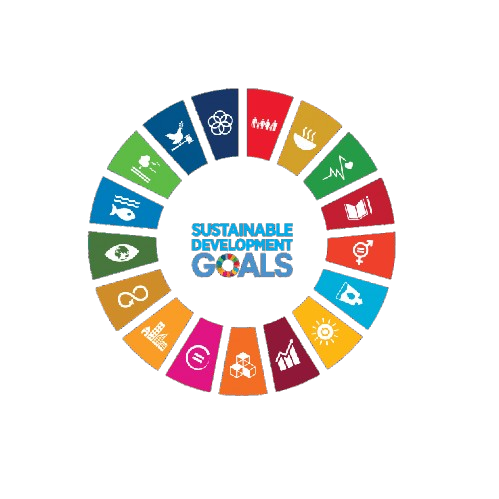
Aligned with
This conference contributes to global sustainability by aligning its research discussions and academic sessions with key United Nations Sustainable Development Goals. It fosters knowledge exchange, innovation, and collaborative engagement.
 SDG 6 — Clean Water and Sanitation
 SDG 9 — Industry, Innovation and Infrastructure
 SDG 11 — Sustainable Cities and Communities
 SDG 13 — Climate Action
 SDG 14 — Life Below Water
 SDG 15 — Life on Land
This track focuses on the latest methodologies in hydrological modeling, emphasizing innovations that enhance accuracy and efficiency. Researchers are invited to present their findings on novel approaches to rainfall-runoff simulations and predictive modeling.
This session explores the effects of climate change on hydrological processes, including alterations in precipitation patterns and streamflow dynamics. Contributions should address how these changes influence watershed management and flood risk assessment.
This track examines the significance of soil moisture in hydrological modeling and its implications for climate adaptation strategies. Presentations should highlight advances in soil moisture modeling and its integration into broader hydrological frameworks.
This session is dedicated to methodologies for assessing flood risks and developing effective management strategies. Participants are encouraged to share case studies and innovative approaches to flood forecasting and response planning.
This track investigates the mechanisms of groundwater recharge and their representation in hydrological models. Contributions should focus on the implications of groundwater dynamics for sustainable water resource management.
This session addresses the complexities of sediment transport within hydrological systems and its impact on water quality and ecosystem health. Researchers are invited to present studies that link sediment dynamics to hydrological modeling.
This track focuses on the modeling of hydrological extremes, including floods and droughts, and their implications for climate adaptation. Presentations should discuss innovative strategies for mitigating the impacts of these extremes on communities and ecosystems.
This session explores the hydrodynamic processes within catchments and the challenges of basin-scale modeling. Contributions should highlight the integration of hydrological data analysis and modeling techniques to improve understanding of catchment behavior.
This track emphasizes the interconnections between ecological systems and hydrological processes, advocating for an integrated approach to water resource management. Researchers are invited to share insights on how hydrological modeling can support ecological sustainability.
This session focuses on the development and application of decision support systems in water resource planning and management. Presentations should demonstrate how these systems can enhance decision-making processes in the context of hydrological modeling.
This track explores the use of scenario analysis in understanding the potential impacts of climate change on hydrological systems. Contributions should focus on methodologies for developing and evaluating scenarios to inform adaptive management strategies.







SNRI maintains uninterrupted academic processes in the current global situation. Participants can engage and publish through online and blended conference formats.
PLEASE READ: CLOSING ENABLED IN 20S