
(ICNMCMLK - 26) | Hybrid Event
5th - 6th August 2026 |
Al Jahra, Kuwait
(ICNMCMLK - 26) | Hybrid Event
5th - 6th August 2026 |
Al Jahra, Kuwait
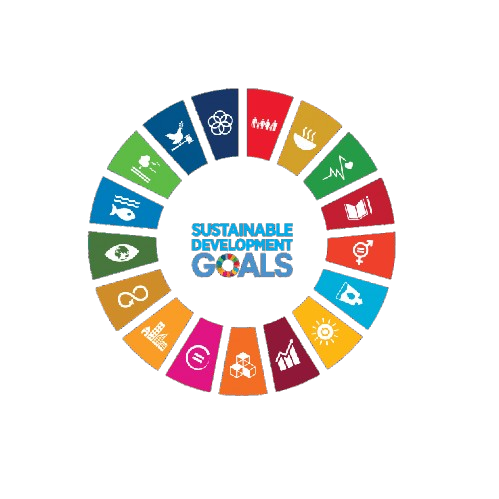
Aligned with
This conference contributes to global sustainability by aligning its research discussions and academic sessions with key United Nations Sustainable Development Goals. It fosters knowledge exchange, innovation, and collaborative engagement.
 SDG 3 — Good Health and Well-being
 SDG 4 — Quality Education
 SDG 8 — Decent Work and Economic Growth
 SDG 9 — Industry, Innovation and Infrastructure
 SDG 10 — Reduced Inequalities
 SDG 11 — Sustainable Cities and Communities
This track focuses on the underlying mechanisms of neuromuscular control and their implications for movement efficiency. Researchers will explore how these mechanisms influence skill acquisition and performance in various sports.
This session examines the principles of motor learning and their application in skill acquisition across different athletic contexts. Emphasis will be placed on effective training methodologies that enhance motor performance.
This track investigates the biomechanical aspects of movement coordination and their role in optimizing athletic performance. Presentations will highlight innovative approaches to analyze and improve movement patterns.
This session addresses contemporary rehabilitation strategies within kinesiology, focusing on the integration of neuromuscular control principles. Participants will discuss evidence-based practices for injury recovery and performance enhancement.
This track explores various functional training techniques aimed at improving athletic performance and injury prevention. Discussions will include the effectiveness of these techniques in enhancing neuromuscular adaptations.
This session delves into the physiological aspects of exercise and their impact on performance optimization in sports. Researchers will present findings on how physiological adaptations can be harnessed for improved athletic outcomes.
This track focuses on adaptive techniques that facilitate motor behavior in diverse populations, including athletes with disabilities. Presentations will highlight innovative practices that promote inclusivity in sports.
This session examines the role of neuroplasticity in athletic development and skill enhancement. Researchers will discuss how training can induce neural adaptations that support improved motor performance.
This track addresses the critical relationship between posture, movement patterns, and injury prevention in sports. Presentations will focus on assessment techniques and interventions aimed at promoting optimal postural alignment.
This session emphasizes the importance of functional assessment tools in kinesiology research. Participants will discuss methodologies for evaluating movement quality and their implications for performance and rehabilitation.
This track explores the intricate connections between brain function and motor control, emphasizing their significance in sports performance. Researchers will present findings on how cognitive processes influence movement execution and skill acquisition.











SNRI maintains uninterrupted academic processes in the current global situation. Participants can engage and publish through online and blended conference formats.
PLEASE READ: CLOSING ENABLED IN 20S