
(ICBPCD - 26) | Hybrid Event
22nd - 23rd July 2026 |
Teyateyaneng, Lesotho
(ICBPCD - 26) | Hybrid Event
22nd - 23rd July 2026 |
Teyateyaneng, Lesotho
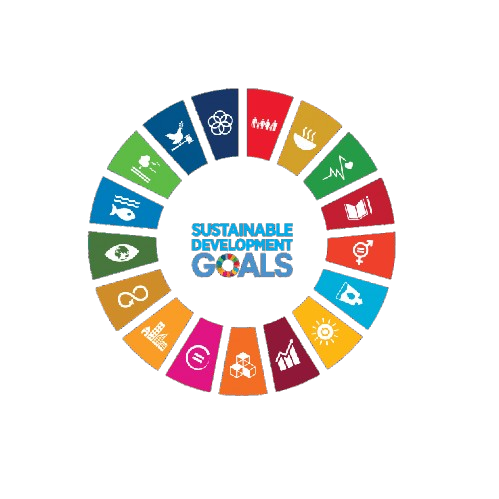
Aligned with
This conference contributes to global sustainability by aligning its research discussions and academic sessions with key United Nations Sustainable Development Goals. It fosters knowledge exchange, innovation, and collaborative engagement.
 SDG 7 — Affordable and Clean Energy
 SDG 9 — Industry, Innovation and Infrastructure
 SDG 11 — Sustainable Cities and Communities
 SDG 12 — Responsible Consumption and Production
 SDG 13 — Climate Action
 SDG 15 — Life on Land
This track focuses on the latest innovations in the engineering of biodegradable polymers, emphasizing their synthesis and characterization. Participants will explore the implications of these advancements for sustainable material development.
This session will delve into the principles of circular design as applied to plastic materials, highlighting strategies for minimizing waste and maximizing resource efficiency. Discussions will include case studies and frameworks for integrating circularity into product development.
This track aims to showcase sustainable materials that can replace conventional plastics in various applications. Researchers will present findings on the performance and environmental benefits of these alternative materials.
This session will address methodologies for assessing the environmental impact of biodegradable plastics throughout their lifecycle. Participants will discuss the implications of these assessments for policy and industry practices.
This track will explore cutting-edge green manufacturing technologies that enhance the production of biodegradable plastics. Emphasis will be placed on energy efficiency, waste reduction, and the integration of renewable resources.
This session will focus on the development and optimization of recycling technologies specifically designed for biodegradable plastics. Participants will examine the challenges and opportunities in creating effective recycling systems.
This track will investigate strategies for optimizing the performance of polymer composites that incorporate biodegradable materials. Discussions will include formulation techniques and the impact of composite design on sustainability.
This session will cover advancements in process engineering that facilitate the sustainable production of biodegradable polymers. Topics will include process optimization, scale-up challenges, and integration of eco-friendly practices.
This track will highlight the development of functional biodegradable polymers tailored for specific industrial applications. Participants will explore the balance between functionality and sustainability in polymer design.
This session will provide insights into lifecycle analysis methodologies for biodegradable plastics, focusing on environmental, economic, and social dimensions. Participants will discuss how lifecycle thinking can inform better design and policy decisions.
This track will explore the role of additive manufacturing in the production of eco-friendly plastics, emphasizing the potential for customization and resource efficiency. Discussions will include material selection and the environmental implications of 3D printing technologies.













SNRI maintains uninterrupted academic processes in the current global situation. Participants can engage and publish through online and blended conference formats.
PLEASE READ: CLOSING ENABLED IN 20S