(ICHRC - 26) | Hybrid Event
22nd - 23rd July 2026 |
Colon City, Panama
(ICHRC - 26) | Hybrid Event
22nd - 23rd July 2026 |
Colon City, Panama
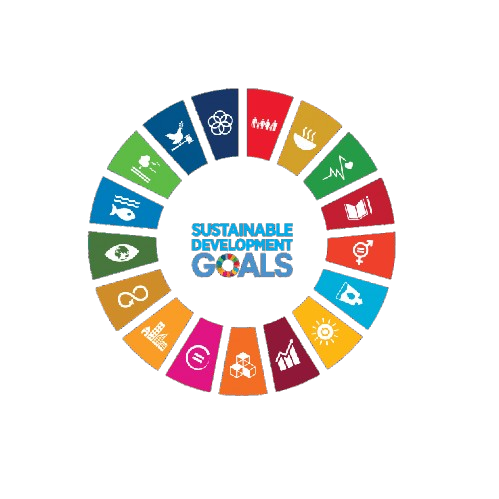
Aligned with
This conference contributes to global sustainability by aligning its research discussions and academic sessions with key United Nations Sustainable Development Goals. It fosters knowledge exchange, innovation, and collaborative engagement.
 SDG 1 — No Poverty
 SDG 4 — Quality Education
 SDG 5 — Gender Equality
 SDG 10 — Reduced Inequalities
 SDG 11 — Sustainable Cities and Communities
 SDG 16 — Peace, Justice and Strong Institutions
This track explores the intersection of human rights and cultural practices, examining how cultural norms shape the understanding and implementation of rights. It invites discussions on the challenges and opportunities presented by diverse cultural perspectives in the advocacy for human rights.
Focusing on the governance structures that impact indigenous communities, this track addresses the legal frameworks and policies that affect indigenous rights. Participants will analyze case studies that highlight the struggles and successes of indigenous advocacy in the face of globalization.
This session investigates the complex dynamics of identity formation and its relationship with power structures in various societies. By examining how identity influences social hierarchies, participants will engage in critical discussions on justice and equality.
This track examines the role of cultural practices in facilitating or hindering social change within communities. It encourages participants to analyze how cultural expressions can serve as tools for advocacy and transformation.
Exploring the impacts of globalization on cultural identity, this session invites discussions on the tension between global influences and local traditions. Participants will consider how globalization reshapes cultural practices and affects human rights.
This track focuses on the various dimensions of inequality, including economic, racial, and gender disparities, and their implications for social justice. Scholars will present research that highlights the intersections of inequality and human rights advocacy.
This session delves into the concepts of citizenship and belonging in contemporary societies, particularly in relation to marginalized groups. Discussions will center on how policies and governance affect individuals' rights and identities.
This track investigates the relationship between legal frameworks and cultural anthropology, emphasizing how laws reflect and shape cultural values. Participants will explore case studies that illustrate the interplay between law, culture, and human rights.
Focusing on advocacy within diverse cultural settings, this session examines effective strategies for promoting human rights. Participants will share insights and experiences that highlight the importance of cultural sensitivity in advocacy efforts.
This track analyzes the power dynamics at play within social movements advocating for human rights and social change. By examining various movements globally, participants will discuss the roles of leadership, grassroots organizing, and intersectionality.
This session explores the relationship between cultural heritage preservation and human rights, addressing the challenges faced by communities in protecting their cultural identities. Discussions will focus on the implications of cultural loss and the rights of communities to maintain their heritage.







SNRI maintains uninterrupted academic processes in the current global situation. Participants can engage and publish through online and blended conference formats.
PLEASE READ: CLOSING ENABLED IN 20S