
(ICSFTRE - 26) | Hybrid Event
22nd - 23rd July 2026 |
Keelung City, Taiwan
(ICSFTRE - 26) | Hybrid Event
22nd - 23rd July 2026 |
Keelung City, Taiwan
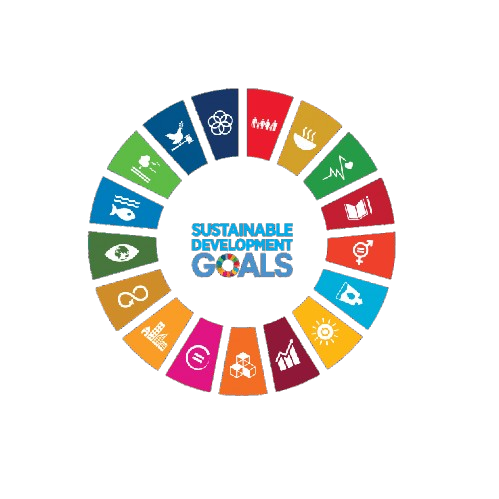
Aligned with
This conference contributes to global sustainability by aligning its research discussions and academic sessions with key United Nations Sustainable Development Goals. It fosters knowledge exchange, innovation, and collaborative engagement.
 SDG 1 — No Poverty
 SDG 3 — Good Health and Well-being
 SDG 5 — Gender Equality
 SDG 8 — Decent Work and Economic Growth
 SDG 9 — Industry, Innovation and Infrastructure
 SDG 10 — Reduced Inequalities
 SDG 11 — Sustainable Cities and Communities
 SDG 16 — Peace, Justice and Strong Institutions
 SDG 17 — Partnerships for the Goals
This track explores the implications of armed conflict on human rights, focusing on the experiences of affected populations. It aims to analyze the effectiveness of international human rights frameworks in mitigating violations during crises.
This session will examine various peacebuilding initiatives implemented in post-conflict contexts, assessing their impact on social cohesion and stability. Participants will discuss best practices and lessons learned from successful and unsuccessful peace processes.
This track investigates the critical role that civil society organizations play in responding to humanitarian crises. It will highlight case studies that demonstrate effective advocacy, service delivery, and community mobilization.
This session focuses on the various mechanisms of transitional justice, including truth commissions and reparations, and their effectiveness in addressing past atrocities. Discussions will center on the challenges and successes of implementing these mechanisms in diverse contexts.
This track will analyze the role of global governance structures in shaping humanitarian responses to crises. It will explore the interplay between international law, state sovereignty, and the responsibilities of humanitarian actors.
This session will delve into the legal frameworks governing refugee protection, examining the challenges faced by displaced populations in conflict settings. Participants will discuss the implications of recent legal developments on refugee rights and protections.
This track aims to explore the relationship between political violence and socioeconomic conditions in affected regions. It will assess how violence influences economic stability, development, and human security.
This session will focus on effective crisis management strategies that prioritize human security in conflict-affected areas. Participants will evaluate the integration of security, development, and human rights in crisis response frameworks.
This track will examine the challenges faced by humanitarian aid organizations in delivering assistance during crises. It will also highlight innovative approaches and technologies that enhance the effectiveness of humanitarian responses.
This session will address the specific forms of violence experienced by vulnerable populations, including women, children, and minorities, in conflict situations. Discussions will focus on prevention strategies and support mechanisms.
This track will explore the involvement of international actors in conflict resolution processes, assessing their influence on peace negotiations and outcomes. Participants will discuss the effectiveness of diplomatic efforts and the challenges of external intervention.










SNRI maintains uninterrupted academic processes in the current global situation. Participants can engage and publish through online and blended conference formats.
PLEASE READ: CLOSING ENABLED IN 20S