(ICAAIS - 26) | Hybrid Event
15th - 16th October 2026 |
Dublin, Ireland
(ICAAIS - 26) | Hybrid Event
15th - 16th October 2026 |
Dublin, Ireland
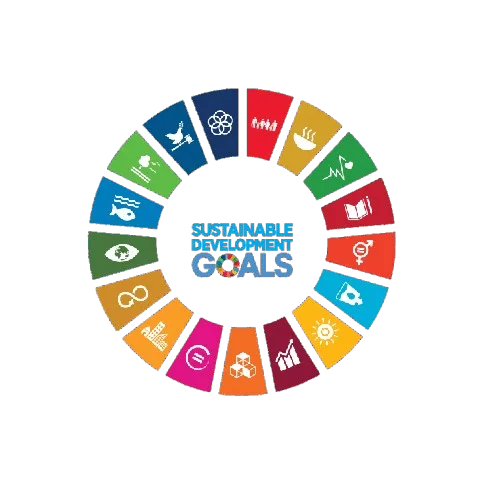
Aligned with
This conference contributes to global sustainability by aligning its research discussions and academic sessions with key United Nations Sustainable Development Goals. It fosters knowledge exchange, innovation, and collaborative engagement.
 SDG 1 — No Poverty
 SDG 2 — Zero Hunger
 SDG 3 — Good Health and Well-being
 SDG 6 — Clean Water and Sanitation
 SDG 7 — Affordable and Clean Energy
 SDG 8 — Decent Work and Economic Growth
 SDG 9 — Industry, Innovation and Infrastructure
 SDG 10 — Reduced Inequalities
 SDG 11 — Sustainable Cities and Communities
 SDG 12 — Responsible Consumption and Production
 SDG 14 — Life Below Water
 SDG 15 — Life on Land
 SDG 16 — Peace, Justice and Strong Institutions
 SDG 17 — Partnerships for the Goals
This track focuses on the latest technological advancements in aquaponics, highlighting innovative practices that enhance system efficiency. Researchers are encouraged to present findings on novel designs and methodologies that improve productivity in integrated aquaculture systems.
This session will explore sustainable practices in aquaculture that promote environmental stewardship and resource conservation. Papers should address strategies for minimizing ecological footprints while maximizing aquaculture output.
This track aims to discuss various metrics and indicators used to evaluate aquaculture performance. Contributions should focus on methodologies for assessing productivity, efficiency, and overall system health.
This session will delve into the engineering aspects of aquaculture systems, including design, construction, and technology integration. Papers should highlight innovative engineering solutions that enhance operational efficiency and sustainability.
This track will cover effective management strategies for aquaculture operations, emphasizing planning and governance. Researchers are invited to share insights on best practices that lead to improved management outcomes.
This session will examine the economic dimensions of aquaculture, including cost-benefit analyses and market dynamics. Contributions should focus on the financial sustainability of aquaculture practices and their impact on local economies.
This track will address health management practices in aquaculture, focusing on disease prevention and control strategies. Papers should discuss innovative approaches to maintaining fish health and enhancing overall system resilience.
This session will explore the role of policy and governance in shaping sustainable aquaculture practices. Researchers are encouraged to present analyses of regulatory frameworks and their implications for aquaculture development.
This track will focus on optimizing resource use in aquaculture systems, including water, feed, and energy. Papers should present strategies that enhance resource efficiency while maintaining high production standards.
This session will cover the principles of designing integrated aquaculture systems that maximize synergy between components. Contributions should focus on innovative designs that facilitate sustainable interactions between aquaculture and other agricultural practices.
This track will highlight emerging research trends and future directions in aquaculture. Participants are encouraged to share their findings on cutting-edge topics that could shape the future of aquaculture and integrated systems.