(ICDEEE - 26) | Hybrid Event
3rd - 4th October 2026 |
Melbourne, Australia
(ICDEEE - 26) | Hybrid Event
3rd - 4th October 2026 |
Melbourne, Australia
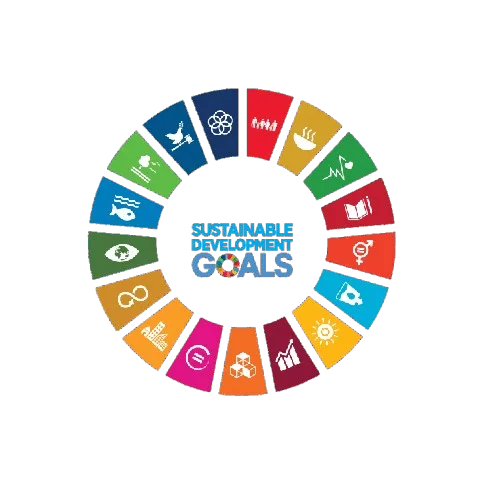
Aligned with
This conference contributes to global sustainability by aligning its research discussions and academic sessions with key United Nations Sustainable Development Goals. It fosters knowledge exchange, innovation, and collaborative engagement.
 SDG 1 — No Poverty
 SDG 2 — Zero Hunger
 SDG 3 — Good Health and Well-being
 SDG 4 — Quality Education
 SDG 5 — Gender Equality
 SDG 8 — Decent Work and Economic Growth
 SDG 9 — Industry, Innovation and Infrastructure
 SDG 10 — Reduced Inequalities
 SDG 12 — Responsible Consumption and Production
 SDG 15 — Life on Land
 SDG 17 — Partnerships for the Goals
This track focuses on the latest theoretical and empirical advancements in development economics, particularly in the context of emerging economies. Scholars are invited to present research that explores innovative frameworks and models addressing economic growth and poverty alleviation.
This session examines effective strategies for poverty alleviation in developing regions, highlighting successful case studies and policy interventions. Participants will discuss the role of microfinance, social safety nets, and community-driven initiatives.
This track investigates the drivers of economic growth in emerging economies, focusing on factors such as industrialization, foreign investment, and trade policies. Papers should analyze the implications of growth on social and economic structures.
This session explores the intersection of human development and economic policy, emphasizing the importance of education and health in fostering sustainable growth. Contributions should address policy frameworks that enhance human capital in emerging economies.
This track delves into the processes of structural transformation and industrialization in developing countries, assessing their impact on economic diversification and employment. Researchers are encouraged to present empirical studies and theoretical insights.
This session focuses on the challenges of income inequality in emerging economies and explores strategies for economic empowerment. Papers should discuss the role of policy interventions and community initiatives in reducing disparities.
This track critically evaluates the effectiveness of foreign aid in promoting economic development and reducing poverty. Participants are invited to present empirical analyses and case studies that assess the impact of aid on recipient countries.
This session examines innovative investment strategies that promote sustainable development in emerging economies. Contributions should highlight the role of public-private partnerships and impact investing in achieving long-term economic goals.
This track investigates labor market development in emerging economies, focusing on employment policies that enhance job creation and workforce participation. Scholars are encouraged to explore the dynamics of labor markets in the context of economic transformation.
This session addresses the critical issues of rural development and agricultural innovation in emerging economies. Papers should explore strategies for enhancing productivity, food security, and rural livelihoods.
This track highlights the role of entrepreneurship and innovation as drivers of economic growth in emerging economies. Researchers are invited to present studies that examine the challenges and opportunities for entrepreneurs in these contexts.