
(ICPGIR - 26) | Hybrid Event
15th - 16th September 2026 |
Rome, Italy
(ICPGIR - 26) | Hybrid Event
15th - 16th September 2026 |
Rome, Italy
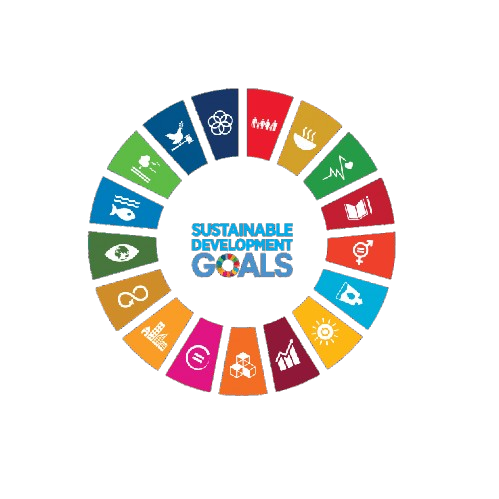
Aligned with
This conference contributes to global sustainability by aligning its research discussions and academic sessions with key United Nations Sustainable Development Goals. It fosters knowledge exchange, innovation, and collaborative engagement.
 SDG 10 — Reduced Inequalities
 SDG 11 — Sustainable Cities and Communities
 SDG 16 — Peace, Justice and Strong Institutions
 SDG 17 — Partnerships for the Goals
This track explores the intricate relationships between migration patterns and political geography. It aims to analyze how territoriality and state sovereignty influence migration flows and the implications for international relations.
This session focuses on the geopolitical significance of borders and the concept of territoriality in shaping state interactions. Papers will examine how borders function as both barriers and bridges in international relations.
This track investigates the role of global governance structures in shaping migration policies across nations. It will address the challenges and opportunities presented by international cooperation in managing migration.
This session delves into the power dynamics that underpin international conflicts, emphasizing the role of political geography. Contributions will analyze how spatial politics influence conflict resolution and diplomatic efforts.
This track examines the evolving nature of security studies in the context of globalization and migration. It will explore how transnational threats challenge traditional notions of state security and territorial integrity.
This session addresses the intersection of political boundaries and identity formation in various geopolitical contexts. Papers will explore how borders shape national and ethnic identities and influence social cohesion.
This track focuses on the role of regionalism in shaping migration trends and policies. It will analyze how regional cooperation can facilitate or hinder migration processes and the implications for international relations.
This session investigates the spatial dimensions of urban migration and its implications for political geography. Contributions will explore how urban environments influence migrant experiences and integration.
This track examines the role of diplomacy in managing migration flows and addressing related challenges. It will focus on the strategies employed by states to negotiate migration agreements and foster international collaboration.
This session explores how shifts in global power dynamics affect concepts of territoriality and state sovereignty. Papers will analyze the implications of these shifts for international relations and geopolitical stability.
This track investigates the influence of non-state actors, such as NGOs and international organizations, on migration policies and practices. It will explore how these actors shape the political landscape of migration governance.










SNRI maintains uninterrupted academic processes in the current global situation. Participants can engage and publish through online and blended conference formats.
PLEASE READ: CLOSING ENABLED IN 20S