
(ICCCUPPR - 26) | Hybrid Event
1st - 2nd October 2026 |
Seoul, South Korea
(ICCCUPPR - 26) | Hybrid Event
1st - 2nd October 2026 |
Seoul, South Korea
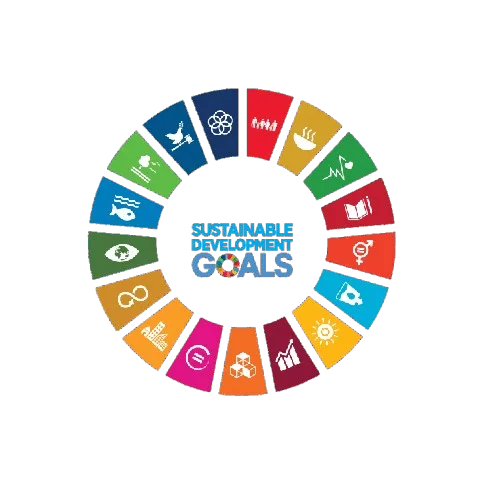
Aligned with
This conference contributes to global sustainability by aligning its research discussions and academic sessions with key United Nations Sustainable Development Goals. It fosters knowledge exchange, innovation, and collaborative engagement.
 SDG 1 — No Poverty
 SDG 4 — Quality Education
 SDG 8 — Decent Work and Economic Growth
 SDG 9 — Industry, Innovation and Infrastructure
 SDG 10 — Reduced Inequalities
 SDG 11 — Sustainable Cities and Communities
 SDG 13 — Climate Action
 SDG 16 — Peace, Justice and Strong Institutions
 SDG 17 — Partnerships for the Goals
This track explores the intersection of climate change and urban resilience, focusing on strategies that cities can implement to adapt to environmental challenges. It aims to highlight innovative practices and policies that enhance urban sustainability and community well-being.
This session investigates the multifaceted nature of urban poverty, examining its causes, consequences, and the effectiveness of various alleviation strategies. Participants will discuss empirical research and case studies that shed light on the dynamics of poverty in urban settings.
This track focuses on innovative public policy responses to climate change, emphasizing the role of governance in fostering sustainable urban development. It will feature discussions on best practices and policy frameworks that promote environmental justice and equity.
This session addresses the role of social policy in shaping urban development outcomes, particularly for marginalized communities. It will explore how social interventions can mitigate the impacts of climate change and urban poverty.
This track examines the principles of inclusive growth within the context of urban planning, highlighting strategies that ensure equitable access to resources and opportunities. Participants will engage in discussions on integrating social equity into urban development frameworks.
This session focuses on the governance challenges associated with climate adaptation in urban areas, exploring the roles of various stakeholders in policy formulation and implementation. It aims to identify barriers to effective governance and propose solutions for enhancing collaboration.
This track investigates the intersection of civil rights and environmental justice, particularly how marginalized communities are disproportionately affected by climate change. Discussions will center on advocacy, policy reform, and community empowerment in the face of environmental challenges.
This session explores the relationship between the Sustainable Development Goals (SDGs) and urban poverty, analyzing how urban policies can align with global sustainability targets. Participants will share insights on effective strategies for achieving SDG-related outcomes in urban contexts.
This track provides a platform for discussing theoretical frameworks and methodologies in urban studies, particularly in relation to climate change and poverty. It aims to foster interdisciplinary dialogue and promote innovative research approaches.
This session focuses on developing and implementing climate adaptation strategies specifically tailored for vulnerable urban populations. Participants will discuss case studies and best practices that address the unique challenges faced by these communities.
This track aims to evaluate the effectiveness of various policy responses to urban challenges posed by climate change and poverty. It will feature discussions on assessment methodologies and the impact of policies on urban resilience and social equity.







SNRI maintains uninterrupted academic processes in the current global situation. Participants can engage and publish through online and blended conference formats.
PLEASE READ: CLOSING ENABLED IN 20S