
(ICLSPH - 26) | Hybrid Event
21st - 22nd December 2026 |
Dubai, UAE
(ICLSPH - 26) | Hybrid Event
21st - 22nd December 2026 |
Dubai, UAE
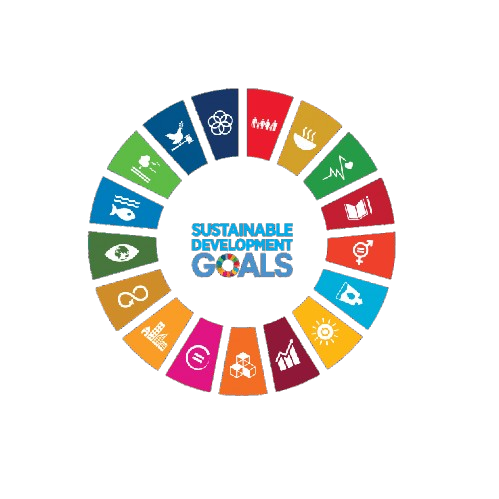
Aligned with
This conference contributes to global sustainability by aligning its research discussions and academic sessions with key United Nations Sustainable Development Goals. It fosters knowledge exchange, innovation, and collaborative engagement.
 SDG 2 — Zero Hunger
 SDG 3 — Good Health and Well-being
 SDG 4 — Quality Education
 SDG 9 — Industry, Innovation and Infrastructure
 SDG 10 — Reduced Inequalities
 SDG 11 — Sustainable Cities and Communities
 SDG 17 — Partnerships for the Goals
This track focuses on the latest research in epidemiology, emphasizing strategies for disease prevention and control. It aims to explore innovative approaches to understanding disease transmission and risk factors in diverse populations.
This session will examine the intersection of health policy and environmental health, highlighting the impact of environmental factors on public health outcomes. Discussions will include policy frameworks that address environmental determinants of health.
This track will delve into the role of nutrition in public health, exploring how dietary habits influence health outcomes at the population level. Research on nutritional interventions and their effectiveness in preventing chronic diseases will be highlighted.
This session will address the challenges posed by infectious diseases in a global context, focusing on surveillance, prevention, and response strategies. It will also explore the implications of global health initiatives on infectious disease management.
This track will cover advanced methodologies in health analytics and biostatistics, emphasizing their application in public health research. Participants will discuss data-driven approaches to improve health outcomes and inform policy decisions.
This session will focus on population studies that inform health education strategies and interventions. It will explore how demographic factors influence health behaviors and the effectiveness of educational programs in promoting public health.
This track will highlight recent advancements in biomedical research related to chronic disease management. Discussions will include innovative therapies and interventions aimed at improving quality of life for individuals with chronic conditions.
This session will explore the role of molecular biology and genomics in understanding health and disease. Topics will include genetic predispositions to diseases and the potential for personalized medicine in public health.
This track will examine the latest innovations in healthcare technology and their implications for public health. It will focus on how technological advancements can enhance healthcare delivery and improve patient outcomes.
This session will address the impact of toxic substances on public health, focusing on risk assessment and management strategies. Participants will discuss emerging research in toxicology and its relevance to environmental health policy.
This track will focus on the importance of clinical studies in informing evidence-based practice in public health. Discussions will include methodologies for conducting clinical research and translating findings into effective health interventions.









SNRI maintains uninterrupted academic processes in the current global situation. Participants can engage and publish through online and blended conference formats.
PLEASE READ: CLOSING ENABLED IN 20S