
(ICFSCAL - 26) | Hybrid Event
3rd - 4th December 2026 |
Jakarta Raya, Indonesia
(ICFSCAL - 26) | Hybrid Event
3rd - 4th December 2026 |
Jakarta Raya, Indonesia
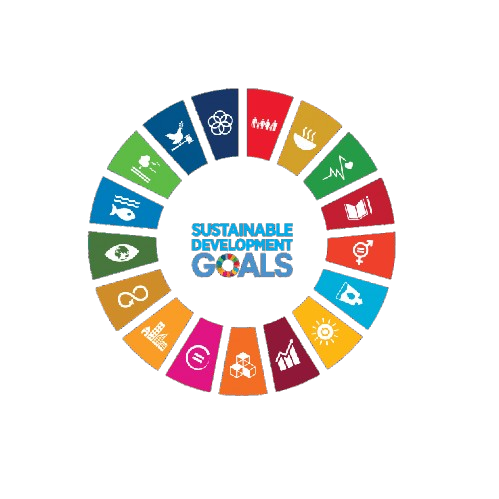
Aligned with
This conference contributes to global sustainability by aligning its research discussions and academic sessions with key United Nations Sustainable Development Goals. It fosters knowledge exchange, innovation, and collaborative engagement.
 SDG 2 — Zero Hunger
 SDG 3 — Good Health and Well-being
 SDG 8 — Decent Work and Economic Growth
 SDG 9 — Industry, Innovation and Infrastructure
 SDG 11 — Sustainable Cities and Communities
 SDG 12 — Responsible Consumption and Production
 SDG 13 — Climate Action
 SDG 15 — Life on Land
 SDG 17 — Partnerships for the Goals
This track focuses on the latest innovations and technologies that enhance the efficiency of food supply chains. Topics may include automation, data analytics, and digital platforms that facilitate better coordination among supply chain stakeholders.
This session explores sustainable logistics practices within the agricultural sector, emphasizing eco-friendly transportation and packaging solutions. Participants will discuss strategies to minimize environmental impact while maintaining supply chain efficiency.
This track addresses the complexities of cold chain logistics specifically for perishable goods, highlighting best practices in temperature control and monitoring. Discussions will include the challenges faced in maintaining product quality from farm to fork.
This session delves into the importance of transparency and traceability in food supply chains, particularly in ensuring food safety and quality. Participants will examine technologies and frameworks that enhance visibility throughout the supply chain.
This track focuses on advanced methodologies for demand forecasting in agricultural supply chains, addressing the unique challenges posed by seasonality and perishability. Participants will share insights on predictive analytics and market trends.
This session explores effective risk management strategies within food logistics, emphasizing the identification and mitigation of potential disruptions. Topics will include supply chain resilience, crisis management, and contingency planning.
This track examines key performance metrics that drive supply chain optimization in the food sector. Participants will discuss how to measure efficiency, cost-effectiveness, and customer satisfaction in food supply chains.
This session highlights the importance of supplier coordination and collaboration in enhancing food supply chain performance. Discussions will focus on relationship management, negotiation strategies, and collaborative planning.
This track addresses the critical role of transportation planning in agricultural logistics, focusing on optimizing routes and minimizing costs. Participants will explore case studies and technological advancements that improve transportation efficiency.
This session explores innovative packaging solutions that enhance the sustainability and efficiency of food supply chains. Topics will include materials, design, and the role of packaging in preserving product quality.
This track investigates the adoption of emerging technologies in agricultural supply chains, such as IoT, blockchain, and AI. Participants will discuss the barriers to technology implementation and the potential benefits for supply chain stakeholders.











SNRI maintains uninterrupted academic processes in the current global situation. Participants can engage and publish through online and blended conference formats.
PLEASE READ: CLOSING ENABLED IN 20S