(ICMPT - 26) | Hybrid Event
28th - 29th December 2026 |
Kuala Lumpur, Malaysia
(ICMPT - 26) | Hybrid Event
28th - 29th December 2026 |
Kuala Lumpur, Malaysia
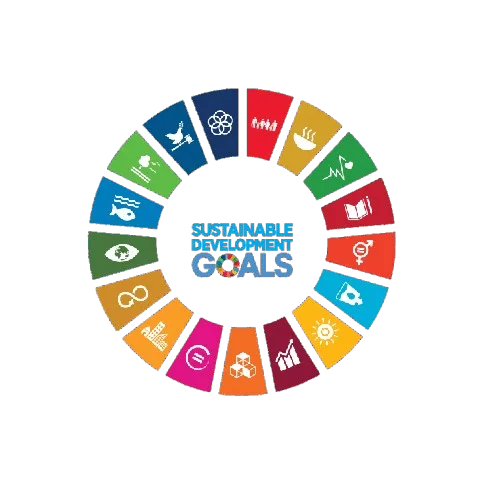
Aligned with
This conference contributes to global sustainability by aligning its research discussions and academic sessions with key United Nations Sustainable Development Goals. It fosters knowledge exchange, innovation, and collaborative engagement.
 SDG 3 — Good Health and Well-being
 SDG 4 — Quality Education
 SDG 5 — Gender Equality
 SDG 10 — Reduced Inequalities
 SDG 11 — Sustainable Cities and Communities
 SDG 16 — Peace, Justice and Strong Institutions
 SDG 17 — Partnerships for the Goals
This track explores the interplay between historical memory and the formation of political identities. It seeks to understand how collective memories shape national narratives and influence contemporary political dynamics.
Focusing on the role of memory in transitional justice processes, this track examines how societies confront past atrocities. It aims to analyze the effectiveness of memory-based approaches in fostering reconciliation and social healing.
This session investigates the significance of cultural memory in mobilizing social movements. It highlights how collective memories can serve as a catalyst for political change and activism.
This track addresses the implications of memory in governance and policy-making. It seeks to explore how historical narratives influence contemporary policies and the governance of memory.
Focusing on narrative analysis, this session examines how stories of political transitions are constructed and disseminated. It aims to uncover the underlying themes and implications of these narratives for understanding political change.
This track invites contributions that offer global perspectives on the relationship between memory and political transitions. It seeks to compare and contrast different cultural contexts and their approaches to memory.
This session explores the intersection of identity politics and collective memory. It aims to analyze how memories of past injustices shape contemporary identity politics and group dynamics.
This track focuses on the integration of memory studies within the field of political science. It seeks to foster interdisciplinary dialogue on how memory influences political behavior and institutional practices.
This session engages with critical theory to interrogate the role of memory in political contexts. It aims to challenge dominant narratives and explore alternative interpretations of historical events.
This track examines how social movements utilize historical narratives to frame their causes and mobilize support. It seeks to understand the impact of these narratives on public perception and political outcomes.
Focusing on the relationship between memory, trauma, and political change, this session explores how collective traumas influence political landscapes. It aims to analyze the role of memory in shaping responses to past injustices and future governance.