
(ICGEERF - 26) | Hybrid Event
16th - 17th December 2026 |
Montreal, Canada
(ICGEERF - 26) | Hybrid Event
16th - 17th December 2026 |
Montreal, Canada
Aligned with
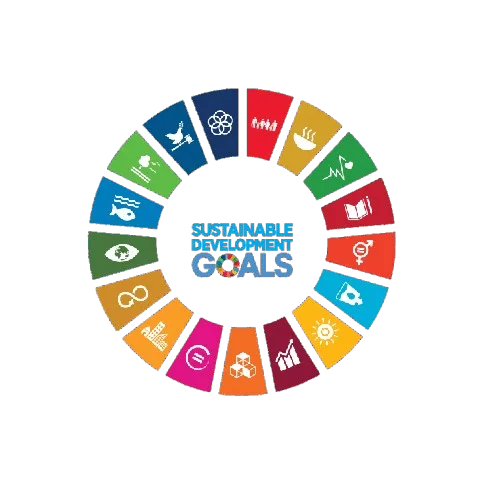
This conference contributes to global sustainability by aligning its research discussions and academic sessions with key United Nations Sustainable Development Goals. It fosters knowledge exchange, innovation, and collaborative engagement.
 SDG 2 — Zero Hunger
 SDG 3 — Good Health and Well-being
 SDG 4 — Quality Education
 SDG 9 — Industry, Innovation and Infrastructure
 SDG 10 — Reduced Inequalities
 SDG 12 — Responsible Consumption and Production
 SDG 16 — Peace, Justice and Strong Institutions
 SDG 17 — Partnerships for the Goals
This track explores the ethical implications surrounding genome editing technologies, including CRISPR. It aims to foster discussions on moral responsibilities and the societal consequences of gene modification.
This session focuses on the development and implementation of regulatory frameworks governing gene editing practices. Participants will analyze existing policies and propose enhancements to ensure responsible innovation.
This track addresses the complex bioethical challenges posed by advancements in genetic engineering. It encourages dialogue on balancing scientific progress with ethical considerations and public trust.
This session examines the broader societal implications of genome editing, including public perception and potential disparities in access. Discussions will highlight the need for inclusive policies that consider diverse stakeholder perspectives.
This track investigates the governance structures necessary for overseeing genetic engineering practices. It aims to identify best practices for ensuring compliance and accountability in the field.
This session delves into the ethical considerations specific to editing the human genome. Participants will explore the implications of germline modifications and the moral dilemmas they present.
This track focuses on developing policy frameworks that promote responsible innovation in genome editing. It aims to provide actionable guidance for policymakers and researchers alike.
This session addresses the importance of genetic risk management in the context of genome editing. Discussions will center on strategies to mitigate potential risks associated with gene modification.
This track explores the ethical dimensions of applying genome editing in agriculture. Participants will discuss the implications for food security, environmental sustainability, and consumer rights.
This session examines how different countries approach the regulation of genome editing technologies. It aims to foster a global dialogue on harmonizing regulatory practices while respecting cultural differences.
This track emphasizes the importance of public engagement and education regarding genome editing. It seeks to identify effective strategies for communicating complex scientific concepts to diverse audiences.