(ICUSBGF - 26) | Hybrid Event
24th - 25th December 2026 |
Montreal, Canada
(ICUSBGF - 26) | Hybrid Event
24th - 25th December 2026 |
Montreal, Canada
Aligned with
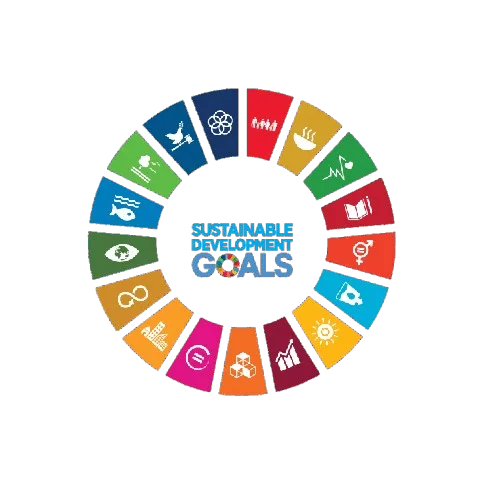
This conference contributes to global sustainability by aligning its research discussions and academic sessions with key United Nations Sustainable Development Goals. It fosters knowledge exchange, innovation, and collaborative engagement.
 SDG 2 — Zero Hunger
 SDG 6 — Clean Water and Sanitation
 SDG 7 — Affordable and Clean Energy
 SDG 9 — Industry, Innovation and Infrastructure
 SDG 11 — Sustainable Cities and Communities
 SDG 12 — Responsible Consumption and Production
 SDG 13 — Climate Action
 SDG 14 — Life Below Water
 SDG 15 — Life on Land
 SDG 17 — Partnerships for the Goals
This track focuses on the physical processes governing upwelling systems and their impact on nutrient availability. Researchers are invited to present studies that elucidate the mechanisms driving upwelling and its implications for marine ecosystems.
This session will explore the biogeochemical cycles in coastal upwelling zones, emphasizing nutrient cycling and its influence on primary productivity. Contributions should highlight the interactions between physical and chemical processes that regulate these fluxes.
This track aims to investigate the role of plankton in marine food webs and their response to environmental changes in upwelling regions. Presentations should focus on plankton community structure, dynamics, and their contributions to ecosystem productivity.
This session will delve into the interplay between oceanic and atmospheric processes in upwelling systems. Studies should address how these interactions influence climate patterns and marine ecosystem health.
This track will cover the various mechanisms of nutrient transport in upwelling systems, including physical, chemical, and biological processes. Researchers are encouraged to present innovative methodologies and findings related to nutrient dynamics.
This session focuses on the quantification and modeling of carbon fluxes in upwelling regions, assessing their role in global carbon cycles. Contributions should highlight the implications of these fluxes for climate change and marine biodiversity.
This track aims to explore the trophic interactions within marine ecosystems influenced by upwelling. Presentations should examine energy transfer efficiency and the implications for ecosystem stability and resilience.
This session will investigate the physical and chemical oceanographic processes that shape the biogeochemistry of upwelling systems. Researchers are invited to present studies on nutrient chemistry, water column stratification, and their ecological consequences.
This track will focus on the factors influencing primary productivity in upwelling regions, including light availability, nutrient concentrations, and biological interactions. Contributions should provide insights into the ecological significance of primary production in these systems.
This session will address how climate variability affects marine ecosystems in upwelling regions, focusing on species distribution, community structure, and ecosystem services. Presentations should highlight adaptive strategies and resilience mechanisms.
This track will showcase cutting-edge technologies and methodologies used in oceanographic research, particularly in studying upwelling systems. Researchers are encouraged to present advancements in remote sensing, modeling, and field sampling techniques.