(ICOPMBI - 26) | Hybrid Event
30th - 31st December 2026 |
Montreal, Canada
(ICOPMBI - 26) | Hybrid Event
30th - 31st December 2026 |
Montreal, Canada
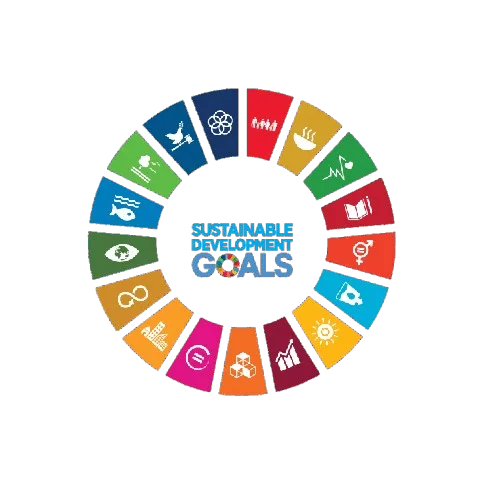
Aligned with
This conference contributes to global sustainability by aligning its research discussions and academic sessions with key United Nations Sustainable Development Goals. It fosters knowledge exchange, innovation, and collaborative engagement.
 SDG 13 — Climate Action
 SDG 14 — Life Below Water
 SDG 15 — Life on Land
 SDG 17 — Partnerships for the Goals
This track focuses on the sources, distribution, and ecological consequences of microplastics in marine ecosystems. Researchers are encouraged to present studies that elucidate the interactions between microplastics and marine organisms.
This session will explore the effects of various pollutants, including plastics, on marine biodiversity and species vulnerability. Contributions should address the mechanisms through which pollution alters ecosystem dynamics and species interactions.
This track examines the capacity of marine ecosystems to withstand and recover from environmental stressors, including plastic pollution. Papers should highlight case studies and strategies that enhance ecological resilience in affected habitats.
This session invites research on innovative methodologies for monitoring marine pollution, with a focus on plastic debris. Contributions should discuss the implications of pollution monitoring for marine conservation and policy-making.
This track investigates the processes and rates of plastic degradation in marine environments and their implications for ecosystem health. Studies should address how degradation products affect marine life and habitat integrity.
This session will delve into the various anthropogenic factors influencing marine ecological systems, with a particular emphasis on plastic pollution. Researchers are invited to present findings on the cumulative impacts of human activities on marine life.
This track focuses on effective conservation strategies aimed at mitigating the impacts of plastic pollution on marine ecosystems. Papers should provide insights into successful interventions and policy frameworks that promote marine health.
This session will cover methodologies for assessing marine habitats in the context of pollution, particularly plastic debris. Contributions should highlight the importance of habitat assessment in understanding ecological impacts and guiding conservation efforts.
This track examines how various environmental stressors, including plastic pollution, affect species vulnerability in marine ecosystems. Researchers are encouraged to present data on species responses and adaptations to these stressors.
This session will explore the relationship between marine biodiversity and ecosystem functioning, particularly in the context of pollution. Papers should discuss how changes in biodiversity due to plastic pollution can alter ecosystem services.
This track invites discussions on innovative approaches and technologies aimed at improving ocean health in light of plastic pollution. Contributions should focus on sustainable practices and community engagement in marine conservation efforts.