
(ICBESYS - 26) | Hybrid Event
19th - 20th May 2026 |
La Condamine, Monaco
(ICBESYS - 26) | Hybrid Event
19th - 20th May 2026 |
La Condamine, Monaco
Aligned with
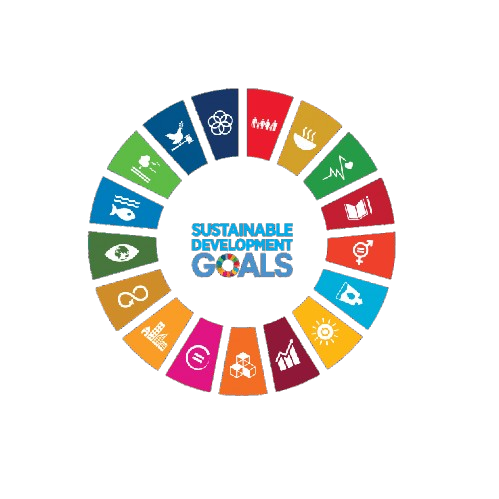
This conference contributes to global sustainability by aligning its research discussions and academic sessions with key United Nations Sustainable Development Goals. It fosters knowledge exchange, innovation, and collaborative engagement.
 SDG 3 — Good Health and Well-being
 SDG 4 — Quality Education
 SDG 9 — Industry, Innovation and Infrastructure
 SDG 11 — Sustainable Cities and Communities
 SDG 12 — Responsible Consumption and Production
 SDG 15 — Life on Land
 SDG 16 — Peace, Justice and Strong Institutions
This track focuses on the latest innovations in biosafety engineering, emphasizing the development of new technologies and methodologies. Participants will explore how these advancements can enhance laboratory safety and biosecurity.
This session will delve into the design and application of synthetic systems within life sciences, highlighting their potential to revolutionize biological research. Discussions will include case studies that demonstrate successful implementations and outcomes.
This track will address the critical aspects of risk assessment in genetic engineering, focusing on methodologies for evaluating potential hazards. Experts will share insights on balancing innovation with safety in biotechnological applications.
Participants will examine effective containment strategies that ensure laboratory safety while conducting high-risk experiments. The session will cover regulatory frameworks and best practices for maintaining secure research environments.
This track will explore the intersection of biosecurity and synthetic biology, emphasizing the importance of safeguarding biological materials. Discussions will include policy implications and strategies for mitigating risks associated with synthetic organisms.
This session will focus on optimizing bioprocesses to enhance safety and efficiency in life science applications. Participants will learn about innovative approaches to streamline operations while minimizing risks.
This track will highlight cutting-edge molecular biology techniques that contribute to enhanced biosafety practices. Attendees will discuss the role of these techniques in monitoring and controlling biological hazards.
This session will showcase innovative healthcare solutions that incorporate biosafety engineering principles. Participants will explore how these innovations can improve patient safety and public health outcomes.
This track will address the environmental implications of biotechnological applications, focusing on strategies to ensure ecological safety. Experts will discuss regulatory challenges and sustainable practices in the field.
This session will explore the ethical dimensions of genetic engineering, particularly in relation to biosafety and biosecurity. Participants will engage in discussions about the societal impacts and moral responsibilities of biotechnological advancements.
This track will provide a forward-looking perspective on the future of life science engineering, identifying emerging trends and technologies. Participants will discuss the implications of these developments for biosafety and synthetic systems.













SNRI maintains uninterrupted academic processes in the current global situation. Participants can engage and publish through online and blended conference formats.
PLEASE READ: CLOSING ENABLED IN 20S