
(ICNPS - 26) | Hybrid Event
10th - 11th September 2026 |
Austin, USA
(ICNPS - 26) | Hybrid Event
10th - 11th September 2026 |
Austin, USA
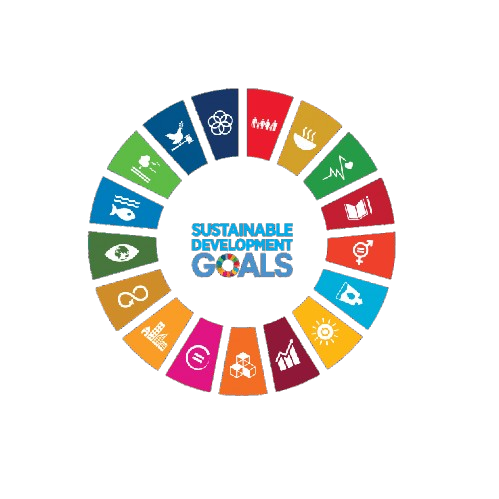
Aligned with
This conference contributes to global sustainability by aligning its research discussions and academic sessions with key United Nations Sustainable Development Goals. It fosters knowledge exchange, innovation, and collaborative engagement.
 SDG 7 — Affordable and Clean Energy
 SDG 9 — Industry, Innovation and Infrastructure
 SDG 12 — Responsible Consumption and Production
 SDG 13 — Climate Action
This track focuses on the latest developments in nanomaterials that enhance the efficiency of photovoltaic systems. Researchers are invited to present innovative approaches to integrating nanotechnology with solar energy solutions.
This session explores the role of smart materials in optimizing renewable energy systems. Contributions should highlight the integration of responsive materials in energy conversion and storage technologies.
This track addresses the advancements in thin-film solar technologies, including materials, fabrication techniques, and performance enhancements. Papers should discuss the potential of thin-film systems in various applications and their impact on the solar market.
This session invites discussions on novel energy harvesting techniques that leverage nanotechnology. Researchers are encouraged to present their findings on energy conversion efficiencies and practical applications in real-world scenarios.
This track examines the integration of nanotechnology within smart grid systems to enhance energy management and distribution. Contributions should focus on innovative solutions that improve grid reliability and efficiency.
This session highlights advancements in power electronics tailored for renewable energy applications. Papers should address the design, optimization, and implementation of power electronic systems in solar energy conversion.
This track focuses on sustainable energy solutions developed through nanoengineering methodologies. Researchers are invited to explore how nanotechnology can contribute to environmentally friendly energy systems.
This session covers emerging trends in solar cell technologies, including novel materials and innovative designs. Contributions should discuss the implications of these trends on the future of solar energy generation.
This track investigates the application of nanotechnology in energy storage systems, emphasizing advancements that improve capacity and efficiency. Papers should explore the intersection of nanomaterials and energy storage technologies.
This session addresses the environmental implications of integrating nanotechnology into energy systems. Researchers are encouraged to present studies on sustainability, lifecycle analysis, and ecological considerations.
This track invites discussions on future directions in renewable energy engineering, focusing on innovative engineering practices and technologies. Contributions should highlight the role of interdisciplinary approaches in advancing renewable energy solutions.













SNRI maintains uninterrupted academic processes in the current global situation. Participants can engage and publish through online and blended conference formats.
PLEASE READ: CLOSING ENABLED IN 20S