
(ICPCAM - 26) | Hybrid Event
31st - 1st November 2026 |
Karaj, Iran
(ICPCAM - 26) | Hybrid Event
31st - 1st November 2026 |
Karaj, Iran
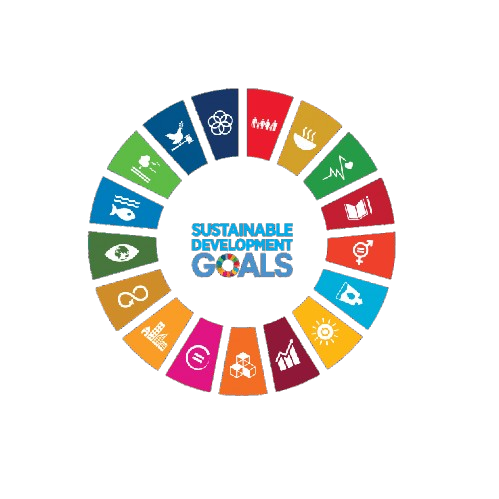
Aligned with
This conference contributes to global sustainability by aligning its research discussions and academic sessions with key United Nations Sustainable Development Goals. It fosters knowledge exchange, innovation, and collaborative engagement.
 SDG 3 — Good Health and Well-being
 SDG 4 — Quality Education
 SDG 9 — Industry, Innovation and Infrastructure
 SDG 12 — Responsible Consumption and Production
 SDG 13 — Climate Action
 SDG 16 — Peace, Justice and Strong Institutions
 SDG 17 — Partnerships for the Goals
This track will explore innovative techniques in polymer synthesis that enhance the functionality and biocompatibility of materials for medical applications. Emphasis will be placed on the development of polymers tailored for drug delivery systems and tissue engineering.
This session focuses on the integration of nanomaterials into polymer systems to improve their properties and functionalities. Discussions will include the synthesis, characterization, and potential applications of nanocomposites in health and medicine.
This track will cover the latest advancements in polymer processing methods that are crucial for the fabrication of medical devices. Topics will include extrusion, injection molding, and 3D printing of biocompatible polymers.
This session will highlight recent chemical innovations that have led to the development of advanced polymer materials for healthcare applications. Presentations will focus on novel polymer formulations and their impact on patient care.
This track will delve into the role of macromolecular chemistry in designing effective drug delivery systems. The session will cover polymer-based carriers, their synthesis, and their performance in targeted therapies.
This session will address the analytical techniques used to characterize polymers in biomedical research. Emphasis will be placed on methods such as spectroscopy, chromatography, and microscopy for understanding polymer behavior in biological environments.
This track will explore the development of sustainable polymer materials that minimize environmental impact while serving critical health applications. Discussions will include bio-based polymers and recycling strategies in the medical field.
This session will focus on the application of polymers in regenerative medicine, particularly in scaffolding and cell delivery. Presentations will highlight recent research on polymeric materials that support tissue regeneration.
This track will emphasize the importance of interdisciplinary collaboration in advancing polymer chemistry for medical applications. Topics will include partnerships between chemists, biologists, and clinicians to drive innovation.
This session will explore the role of polymer materials in the development of diagnostic tools and technologies. Focus will be on novel polymeric sensors and their applications in disease detection and monitoring.
This track will address the regulatory landscape surrounding the use of polymers in medical devices. Discussions will include compliance, safety assessments, and the impact of regulations on innovation in polymer chemistry.









SNRI maintains uninterrupted academic processes in the current global situation. Participants can engage and publish through online and blended conference formats.
PLEASE READ: CLOSING ENABLED IN 20S