(ICMGM - 26) | Hybrid Event
26th - 27th October 2026 |
San Nicolas De Los Arroyos, Argentina
(ICMGM - 26) | Hybrid Event
26th - 27th October 2026 |
San Nicolas De Los Arroyos, Argentina
Aligned with
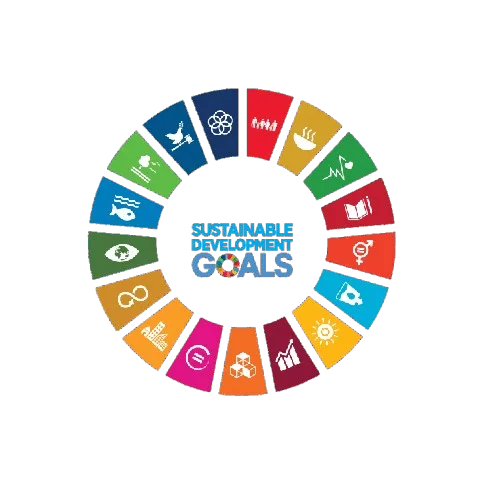
This conference contributes to global sustainability by aligning its research discussions and academic sessions with key United Nations Sustainable Development Goals. It fosters knowledge exchange, innovation, and collaborative engagement.
 SDG 3 — Good Health and Well-being
 SDG 4 — Quality Education
 SDG 9 — Industry, Innovation and Infrastructure
 SDG 12 — Responsible Consumption and Production
 SDG 14 — Life Below Water
 SDG 15 — Life on Land
This track focuses on the innovative applications of microbial systems in biotechnology, including biofuels and bioremediation. Researchers will present findings on the development of bioactive microbial products and their industrial applications.
This session will explore the genetic and genomic factors influencing host susceptibility to infectious diseases. Presentations will cover molecular epidemiology and the evolutionary genetics of pathogens.
This track examines the complex interactions between microbial species and their environments, emphasizing bacterial signaling mechanisms. Studies on microbial communication and its applications in biotechnology will be highlighted.
This session will delve into the biology and biochemistry of parasites, focusing on drug development strategies against parasitic diseases. Discussions will include immune evasion mechanisms and host-parasite interactions.
This track highlights the role of marine microorganisms in ecological and biotechnological contexts. Research on marine microbial diversity and its applications in environmental sustainability will be presented.
This session will cover advancements in metabolic engineering and synthetic biology applications in microbial systems. Topics will include the design of synthetic genomes and engineered metabolic pathways.
This track focuses on the application of metagenomic approaches to understand microbial diversity and ecology. Presentations will explore the implications of microbial communities in health and environmental contexts.
This session will investigate the unique adaptations of extremophiles and their potential applications in biotechnology. Research on the biochemical pathways and industrial uses of extremophiles will be discussed.
This track emphasizes the role of mathematical modeling and bioinformatics in understanding microbial behavior and evolution. Presentations will showcase computational approaches to study microbial dynamics.
This session will explore the genetic basis of disease resistance in animal populations, focusing on population biology and morphometrics. Research on genetic markers and their applications in breeding programs will be highlighted.
This track will discuss the latest advancements in molecular diagnostics for infectious diseases and genetic disorders. Presentations will cover novel techniques and their implications for public health.