(ICFG - 27) | Hybrid Event
11th - 12th February 2027 |
Blida, Algeria
(ICFG - 27) | Hybrid Event
11th - 12th February 2027 |
Blida, Algeria
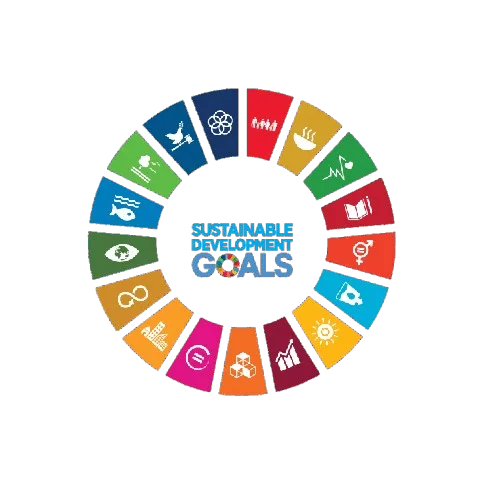
Aligned with
This conference contributes to global sustainability by aligning its research discussions and academic sessions with key United Nations Sustainable Development Goals. It fosters knowledge exchange, innovation, and collaborative engagement.
 SDG 3 — Good Health and Well-being
 SDG 4 — Quality Education
 SDG 7 — Affordable and Clean Energy
 SDG 9 — Industry, Innovation and Infrastructure
 SDG 12 — Responsible Consumption and Production
 SDG 13 — Climate Action
 SDG 15 — Life on Land
This track focuses on the genetic mechanisms underlying fungal pathogenicity and the host-pathogen interactions. Researchers are invited to present their findings on the molecular pathways that contribute to fungal virulence and disease progression.
This session will explore the ecological roles of fungi in various environments and their population dynamics. Contributions on the application of genomic tools to understand fungal diversity and adaptation in changing ecosystems are encouraged.
This track aims to delve into the metabolic processes of fungi and their biochemical pathways. Studies that elucidate the role of metabolism in fungal growth, development, and interaction with other organisms are welcome.
This session will highlight the adaptive strategies employed by fungi to survive in environments contaminated with xenobiotics. Research on genetic and biochemical adaptations that confer resistance to these compounds will be presented.
This track focuses on the application of fungal genetics in biotechnology, including the development of new tools and techniques. Presentations on the use of fungi in bioremediation, biofuel production, and pharmaceuticals are encouraged.
This session will explore the cellular processes and developmental pathways in fungi. Contributions that investigate cellular differentiation, signaling pathways, and developmental biology are highly encouraged.
This track will focus on the regulatory mechanisms that govern gene expression in fungi. Studies that utilize systems biology approaches to dissect regulatory networks and their impact on fungal physiology are welcome.
This session will examine the complex interactions between fungi and other organisms, including both pathogenic and mutualistic relationships. Research that sheds light on the genetic and ecological basis of these interactions is encouraged.
This track will discuss the evolutionary processes shaping fungal genomes and their implications for biodiversity. Contributions that utilize comparative genomics to explore evolutionary relationships among fungal species are welcome.
This session will focus on the application of systems and synthetic biology approaches to understand and manipulate fungal systems. Presentations on the design of synthetic pathways and the integration of omics data are encouraged.
This track will explore how fungi sense and respond to environmental stressors. Research that investigates the genetic and molecular basis of stress response mechanisms is highly encouraged.