
(ICUDCS - 27) | Hybrid Event
2nd - 3rd February 2027 |
Sandys, Bermuda
(ICUDCS - 27) | Hybrid Event
2nd - 3rd February 2027 |
Sandys, Bermuda
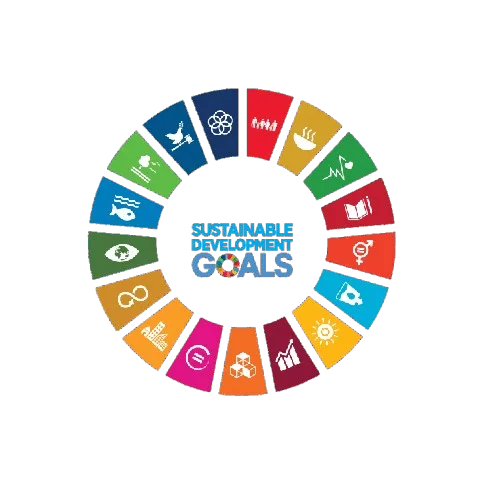
Aligned with
This conference contributes to global sustainability by aligning its research discussions and academic sessions with key United Nations Sustainable Development Goals. It fosters knowledge exchange, innovation, and collaborative engagement.
 SDG 3 — Good Health and Well-being
 SDG 6 — Clean Water and Sanitation
 SDG 8 — Decent Work and Economic Growth
 SDG 9 — Industry, Innovation and Infrastructure
 SDG 10 — Reduced Inequalities
 SDG 11 — Sustainable Cities and Communities
 SDG 12 — Responsible Consumption and Production
 SDG 13 — Climate Action
 SDG 15 — Life on Land
 SDG 16 — Peace, Justice and Strong Institutions
This track explores the evolution and impact of various urban design movements on contemporary urban landscapes. It aims to highlight innovative practices that have emerged in response to social, environmental, and economic challenges.
This session focuses on the intersection of urban design and conservation efforts within urban planning frameworks. Participants will discuss strategies for preserving cultural heritage while accommodating urban growth.
This track examines the role of landscape architecture in enhancing urban resilience against climate change and environmental degradation. It will cover case studies that demonstrate successful integration of green spaces into urban settings.
This session delves into strategic urban design methodologies that facilitate sustainable development. It will emphasize the importance of planning processes that align with community needs and environmental goals.
This track investigates innovative water-sensitive design approaches that promote sustainable water management in urban areas. Discussions will include techniques for integrating water systems into urban landscapes.
This session focuses on the principles of sustainable urbanism and their application in urban planning. Participants will explore best practices that foster environmentally friendly urban environments.
This track examines the principles of New Urbanism and their impact on community engagement and social interaction. It will highlight successful case studies that demonstrate the benefits of walkable and mixed-use neighborhoods.
This session addresses the principles of crime prevention through environmental design (CPTED) in urban settings. Participants will discuss how urban design can enhance safety and security in public spaces.
This track focuses on the development and impact of pedestrian zones in urban areas. Discussions will include the benefits of car-free environments on urban mobility and community health.
This session explores strategies for incorporating nature within urban environments to enhance livability. Participants will discuss the benefits of biophilic design and green infrastructure.
This track examines the relationship between urban structure and accessibility in city planning. It will address how urban design can improve legibility and wayfinding for diverse populations.