(ICWRSD - 27) | Hybrid Event
17th - 18th March 2027 |
Santo Domingo, Dominican Republic
(ICWRSD - 27) | Hybrid Event
17th - 18th March 2027 |
Santo Domingo, Dominican Republic
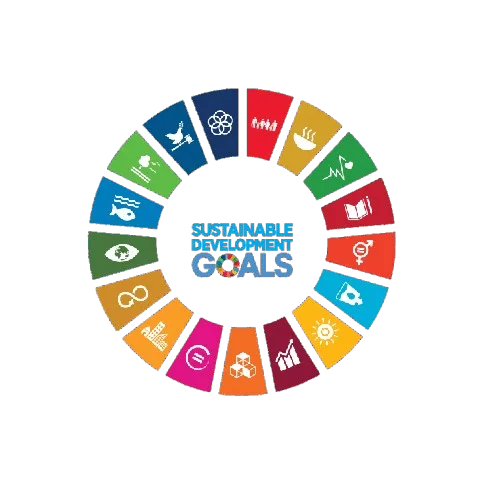
Aligned with
This conference contributes to global sustainability by aligning its research discussions and academic sessions with key United Nations Sustainable Development Goals. It fosters knowledge exchange, innovation, and collaborative engagement.
 SDG 1 — No Poverty
 SDG 2 — Zero Hunger
 SDG 3 — Good Health and Well-being
 SDG 4 — Quality Education
 SDG 5 — Gender Equality
 SDG 6 — Clean Water and Sanitation
 SDG 9 — Industry, Innovation and Infrastructure
 SDG 10 — Reduced Inequalities
 SDG 11 — Sustainable Cities and Communities
 SDG 12 — Responsible Consumption and Production
 SDG 13 — Climate Action
 SDG 14 — Life Below Water
 SDG 15 — Life on Land
 SDG 16 — Peace, Justice and Strong Institutions
 SDG 17 — Partnerships for the Goals
This track focuses on novel approaches to water management that promote sustainable practices. Emphasis will be placed on integrated water resources management and adaptive strategies to cope with climate change.
This session will explore sustainable aquaculture practices that minimize environmental impact while maximizing productivity. Discussions will include innovative feed formulations, water quality management, and ecosystem-based approaches.
This track addresses the critical link between water quality and public health outcomes. Research on contaminants, treatment technologies, and community engagement in water safety will be highlighted.
This session will investigate the effects of climate change on freshwater and marine ecosystems. Topics will include hydrological modeling, adaptation strategies, and resilience building in water-dependent communities.
This track will cover sustainable practices in agricultural water use, focusing on irrigation efficiency and conservation techniques. The integration of technology and traditional methods for water-saving practices will be discussed.
This session will examine the role of ecosystems in providing essential water resources and services. Research on biodiversity, ecosystem health, and the valuation of ecosystem services will be presented.
This track will analyze governance structures and policy frameworks that support sustainable water management. Case studies and best practices from various regions will be shared to inform future policy development.
This session will focus on cutting-edge technologies that enhance water conservation efforts. Topics will include smart irrigation systems, water recycling technologies, and remote sensing applications.
This track will explore the socioeconomic factors influencing water sustainability initiatives. Discussions will include community engagement, equity in water access, and the role of local knowledge in decision-making.
This session will address the challenges and strategies for managing coastal water resources sustainably. Topics will include the interplay between land use, water quality, and marine biodiversity.
This track will focus on the importance of education and public awareness in promoting sustainable water practices. Innovative outreach programs and educational initiatives aimed at various stakeholders will be discussed.