
(ICRSSC - 27) | Hybrid Event
2nd - 3rd February 2027 |
Serrekunda, Gambia
(ICRSSC - 27) | Hybrid Event
2nd - 3rd February 2027 |
Serrekunda, Gambia
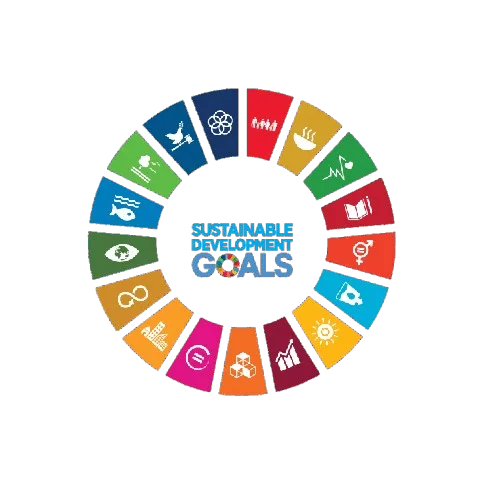
Aligned with
This conference contributes to global sustainability by aligning its research discussions and academic sessions with key United Nations Sustainable Development Goals. It fosters knowledge exchange, innovation, and collaborative engagement.
 SDG 1 — No Poverty
 SDG 2 — Zero Hunger
 SDG 4 — Quality Education
 SDG 8 — Decent Work and Economic Growth
 SDG 9 — Industry, Innovation and Infrastructure
 SDG 10 — Reduced Inequalities
 SDG 11 — Sustainable Cities and Communities
 SDG 12 — Responsible Consumption and Production
 SDG 13 — Climate Action
 SDG 15 — Life on Land
 SDG 16 — Peace, Justice and Strong Institutions
 SDG 17 — Partnerships for the Goals
This track explores the historical development of rural sociology as a distinct field of study. It examines key theoretical frameworks and methodologies that have shaped the understanding of rural life and communities.
Focusing on the dynamics of social interactions, this track investigates the unique cultural and social structures that characterize rural and non-metropolitan communities. It aims to highlight the differences and similarities in social life compared to urban settings.
This track addresses the role of public policy in shaping local development initiatives in rural contexts. It emphasizes the importance of participatory approaches and community engagement in policy formulation and implementation.
This session focuses on the intersection of environmental sustainability and rural community well-being. It examines strategies for managing natural resources while promoting ecological health and social equity.
This track discusses innovative approaches to revitalizing rural communities facing economic and social challenges. It highlights successful case studies and the role of grassroots movements in fostering community resilience.
Exploring the impact of demographic shifts on rural poverty, this session analyzes trends such as aging populations and migration patterns. It seeks to identify effective interventions to alleviate poverty in rural settings.
This track investigates the complexities of natural resource management in rural areas and its implications for community development. It emphasizes equitable allocation practices and the role of local governance.
Focusing on the adoption and impact of technology in rural settings, this session examines how innovations can enhance quality of life and economic opportunities. It also addresses barriers to technology access and use.
This track explores the relationship between rural communities and food systems, emphasizing sustainable agricultural practices. It discusses the challenges and opportunities for enhancing food security in rural areas.
This session examines the social structures that underpin rural communities and the conflicts that may arise within them. It aims to provide insights into conflict resolution and social cohesion strategies.
Focusing on the impact of land reforms on rural communities, this track analyzes historical and contemporary cases. It discusses the implications of land redistribution for social equity and community development.