(ICRAEFS - 27) | Hybrid Event
23rd - 24th March 2027 |
Erbil, Iraq
(ICRAEFS - 27) | Hybrid Event
23rd - 24th March 2027 |
Erbil, Iraq
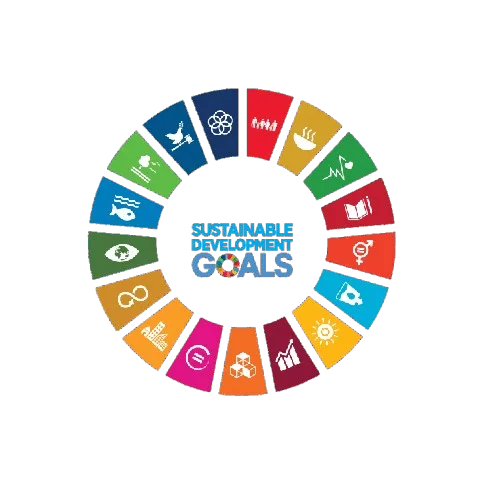
Aligned with
This conference contributes to global sustainability by aligning its research discussions and academic sessions with key United Nations Sustainable Development Goals. It fosters knowledge exchange, innovation, and collaborative engagement.
 SDG 1 — No Poverty
 SDG 4 — Quality Education
 SDG 8 — Decent Work and Economic Growth
 SDG 9 — Industry, Innovation and Infrastructure
 SDG 10 — Reduced Inequalities
 SDG 11 — Sustainable Cities and Communities
 SDG 16 — Peace, Justice and Strong Institutions
This track focuses on the principles of microeconomics and their applications in real-world scenarios. It aims to explore consumer behavior, market structures, and the impact of policy changes on economic agents.
This session will delve into macroeconomic theories and their implications for national and global economies. Participants are encouraged to present research on fiscal and monetary policy, economic growth, and inflation.
This track examines the functioning of financial markets and the various investment strategies employed by individuals and institutions. Topics include market efficiency, asset pricing, and risk management.
This session explores the role of banking systems in economic development and financial intermediation. Discussions will include regulatory frameworks, banking innovations, and the impact of technology on banking.
This track addresses the principles of corporate finance and their application in strategic decision-making processes. Topics may include capital structure, investment appraisal, and mergers and acquisitions.
This session focuses on the role of public finance in shaping economic policy and addressing societal issues. Participants will discuss taxation, government spending, and the implications of fiscal policy on economic stability.
This track emphasizes the application of statistical methods in economic research and analysis. Topics include regression analysis, correlation analysis, and the use of statistical software in data management.
This session will cover various data analysis techniques utilized in the finance sector. Participants are invited to present on topics such as time series analysis, risk assessment, and financial forecasting.
This track explores the economic principles underlying the insurance industry and the strategies for effective risk management. Discussions will include pricing models, regulatory issues, and the impact of insurance on economic stability.
This session examines the historical development of statistical methods and their impact on modern economics and finance. Participants are encouraged to discuss key milestones and influential figures in the field of statistics.
This track addresses the ethical considerations surrounding the use of statistics in economic research. Discussions will focus on the potential misuse of statistical data and the importance of integrity in research practices.