(ICHSMT - 27) | Hybrid Event
17th - 18th March 2027 |
Beersheba, Israel
(ICHSMT - 27) | Hybrid Event
17th - 18th March 2027 |
Beersheba, Israel
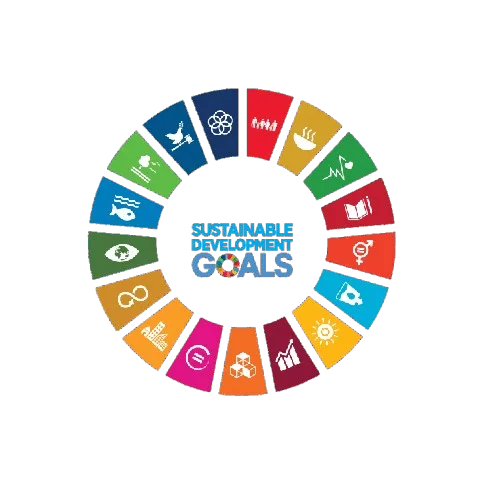
Aligned with
This conference contributes to global sustainability by aligning its research discussions and academic sessions with key United Nations Sustainable Development Goals. It fosters knowledge exchange, innovation, and collaborative engagement.
 SDG 3 — Good Health and Well-being
 SDG 4 — Quality Education
 SDG 9 — Industry, Innovation and Infrastructure
 SDG 11 — Sustainable Cities and Communities
This track focuses on the latest advancements in healthcare simulation technologies that enhance medical training and education. Participants will explore cutting-edge tools and methodologies that improve the efficacy of simulation-based learning.
Effective debriefing is crucial for maximizing learning outcomes in healthcare simulation. This session will discuss various debriefing techniques and their impact on educational effectiveness and participant engagement.
This track will highlight best practices in simulation-based medical education across various disciplines. Participants will share insights on curriculum development, assessment strategies, and learner outcomes.
Focusing on patient safety, this session will examine how simulation can be utilized to identify and mitigate errors in clinical practice. Discussions will include strategies for error management and prevention through realistic training scenarios.
This track will explore the integration of hybrid simulation models that combine both high-fidelity simulators and standardized patients. Participants will discuss the advantages and challenges of implementing these models in various healthcare settings.
This session will delve into real-world applications of healthcare simulation in clinical practice. Case studies will be presented to illustrate the impact of simulation on improving patient outcomes and healthcare delivery.
This track will focus on the role of simulation in enhancing nursing education and training. Participants will discuss innovative approaches to curriculum design and the integration of simulation into nursing programs.
This session will address the use of simulation in emergency medicine and trauma care training. Participants will explore scenarios that enhance decision-making and teamwork in high-pressure environments.
This track will emphasize the importance of interdisciplinary collaboration in healthcare simulation. Discussions will focus on how different healthcare professions can work together to enhance simulation training and improve patient care.
This session will explore the integration of information technology in medical simulation. Participants will discuss the role of data analytics, virtual reality, and artificial intelligence in enhancing simulation experiences.
This track will examine the community and legal implications of healthcare simulation practices. Discussions will include ethical considerations, regulatory compliance, and the role of simulation in addressing public health challenges.