(ICBBMB - 27) | Hybrid Event
8th - 9th February 2027 |
Nairobi, Kenya
(ICBBMB - 27) | Hybrid Event
8th - 9th February 2027 |
Nairobi, Kenya
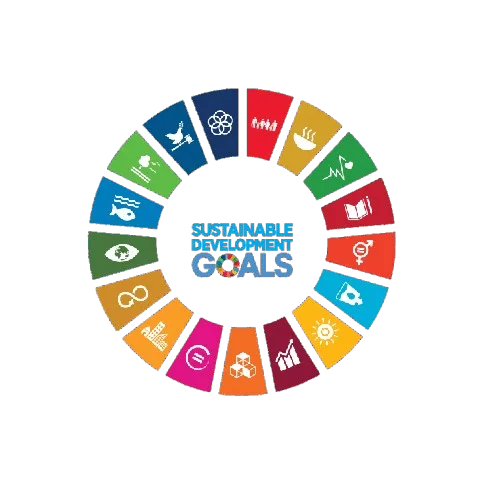
Aligned with
This conference contributes to global sustainability by aligning its research discussions and academic sessions with key United Nations Sustainable Development Goals. It fosters knowledge exchange, innovation, and collaborative engagement.
 SDG 2 — Zero Hunger
 SDG 3 — Good Health and Well-being
 SDG 6 — Clean Water and Sanitation
 SDG 9 — Industry, Innovation and Infrastructure
 SDG 12 — Responsible Consumption and Production
 SDG 13 — Climate Action
 SDG 14 — Life Below Water
 SDG 15 — Life on Land
 SDG 17 — Partnerships for the Goals
This track focuses on the latest advancements in blue biotechnology, emphasizing novel applications in marine environments. Researchers are invited to present their findings on bioprocessing, bioremediation, and sustainable practices.
This session explores the intricate relationships between microorganisms and their aquatic habitats. Contributions should highlight ecological interactions, microbial diversity, and the role of microbes in ecosystem functioning.
This track addresses innovative strategies for the conservation of biodiversity in marine and freshwater ecosystems. Papers should discuss policy implications, community engagement, and the integration of science in conservation efforts.
This session focuses on the role of microorganisms in environmental health and pollution mitigation. Topics may include bioremediation techniques, microbial degradation of pollutants, and the impact of environmental changes on microbial communities.
This track examines biotechnological innovations aimed at enhancing sustainability in aquaculture practices. Presentations should cover genetic improvements, disease management, and the use of probiotics in fish farming.
This session highlights the application of genomic technologies in understanding biodiversity and ecological interactions. Researchers are encouraged to share insights on genetic diversity, population genomics, and evolutionary adaptations.
This track focuses on the exploitation of marine microorganisms for biotechnological applications. Topics may include enzyme production, bioactive compounds, and the potential of marine microbes in pharmaceuticals.
This session investigates the effects of climate change on biodiversity across various ecosystems. Contributions should explore adaptive strategies, species resilience, and the implications for conservation efforts.
This track discusses innovative bioremediation technologies designed to restore polluted aquatic ecosystems. Papers should focus on case studies, effectiveness, and the role of microbial communities in remediation processes.
This session examines the ecological consequences of invasive species in marine and freshwater environments. Researchers are invited to present findings on species interactions, ecosystem changes, and management strategies.
This track explores the intersection of biotechnology and conservation efforts in preserving biodiversity. Presentations should address biotechnological tools that enhance conservation practices and promote ecosystem resilience.