(ICPAAH - 27) | Hybrid Event
11th - 12th February 2027 |
Fes, Morocco
(ICPAAH - 27) | Hybrid Event
11th - 12th February 2027 |
Fes, Morocco
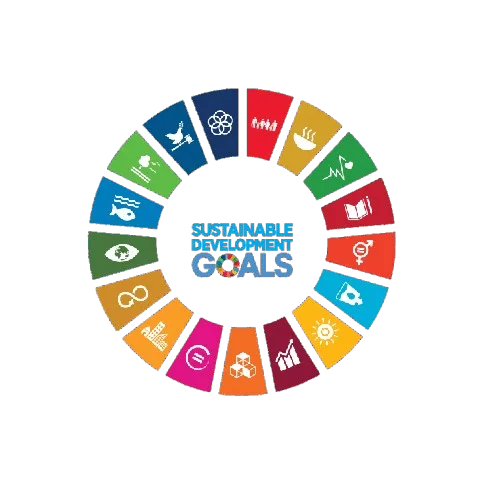
Aligned with
This conference contributes to global sustainability by aligning its research discussions and academic sessions with key United Nations Sustainable Development Goals. It fosters knowledge exchange, innovation, and collaborative engagement.
 SDG 3 — Good Health and Well-being
 SDG 4 — Quality Education
 SDG 8 — Decent Work and Economic Growth
 SDG 9 — Industry, Innovation and Infrastructure
 SDG 10 — Reduced Inequalities
 SDG 11 — Sustainable Cities and Communities
 SDG 12 — Responsible Consumption and Production
 SDG 16 — Peace, Justice and Strong Institutions
This track explores the intricate relationships between culture, society, and individual agency within various anthropological frameworks. Papers may examine contemporary sociocultural issues through ethnographic studies and theoretical analyses.
Focusing on the historical development of archaeological practices, this track invites discussions on methodological advancements and theoretical shifts in the field. Contributions should highlight the interplay between archaeology and historical narratives.
This session aims to delve into the philosophical underpinnings that shape anthropological inquiry and practice. Topics may include epistemological questions, ethical considerations, and the impact of philosophical traditions on anthropological thought.
This track addresses the intersections of medical anthropology with public health, exploring how cultural beliefs and practices influence health outcomes. Submissions may focus on ethnographic studies, health interventions, and the role of social determinants in health.
This session invites critical discussions on the ethical implications of archaeological practice and the stewardship of cultural heritage. Papers may address issues such as looting, repatriation, and the responsibilities of archaeologists to communities.
Exploring the role of language in shaping social identities and cultural practices, this track focuses on the intersections of language, power, and communication. Contributions may include studies of language use in various sociocultural contexts.
This track examines the economic dimensions of human behavior through the lens of anthropology, focusing on both traditional and contemporary economic systems. Papers may explore topics such as exchange, value, and the impact of globalization on local economies.
This session invites papers that trace the evolution of philosophical thought across different cultures and historical periods. Emphasis will be placed on the interactions between various philosophical traditions and their relevance to contemporary issues.
Focusing on the cognitive aspects of human behavior, this track explores how cultural factors influence cognition and perception. Contributions may include interdisciplinary approaches that integrate psychology, anthropology, and cognitive science.
This session highlights the application of scientific techniques in archaeology, including dating methods, material analysis, and remote sensing. Papers should discuss innovative methodologies and their implications for archaeological interpretation.
This track examines global historical narratives, emphasizing the interconnectedness of cultures and the impact of colonialism and globalization. Submissions may explore themes of social and cultural history, as well as the persistence of global inequalities.