(ICMAL - 27) | Hybrid Event
11th - 12th February 2027 |
Bayamon, Puerto Rico
(ICMAL - 27) | Hybrid Event
11th - 12th February 2027 |
Bayamon, Puerto Rico
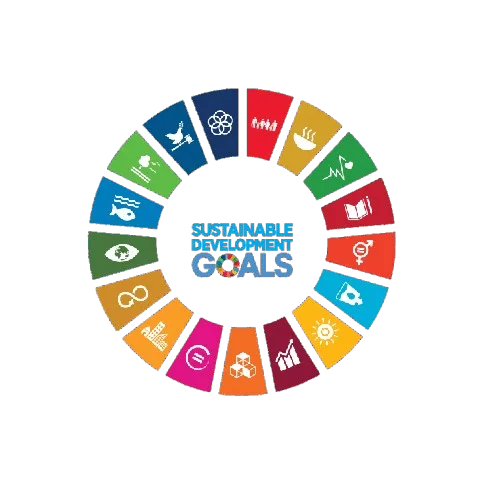
Aligned with
This conference contributes to global sustainability by aligning its research discussions and academic sessions with key United Nations Sustainable Development Goals. It fosters knowledge exchange, innovation, and collaborative engagement.
 SDG 1 — No Poverty
 SDG 4 — Quality Education
 SDG 8 — Decent Work and Economic Growth
 SDG 9 — Industry, Innovation and Infrastructure
 SDG 10 — Reduced Inequalities
 SDG 11 — Sustainable Cities and Communities
 SDG 12 — Responsible Consumption and Production
 SDG 13 — Climate Action
 SDG 16 — Peace, Justice and Strong Institutions
This track invites papers that explore various media concepts and theoretical frameworks relevant to the study of media in society. Contributions should address how these theories can be applied to analyze contemporary media phenomena.
This session focuses on the evolving landscape of journalism, particularly in the context of digital media. Papers should examine the challenges and opportunities that digital platforms present for news reporting and dissemination.
This track seeks to investigate the role of media in shaping public relations and marketing strategies. Contributions should analyze case studies that highlight the impact of media on brand communication and audience engagement.
This session aims to explore how media influences youth culture and identity formation. Papers should consider the implications of media consumption patterns among young audiences and their effects on social behavior.
This track invites discussions on how media representations shape public understanding of global issues. Contributions should focus on the interplay between media narratives and societal responses to pressing world challenges.
This session examines the role of social media in contemporary society, focusing on its influence on communication, relationships, and public discourse. Papers should highlight both positive and negative implications of social media engagement.
This track invites papers that analyze how media addresses and represents various social issues. Contributions should critically assess the effectiveness of media in raising awareness and prompting social change.
This session focuses on genre studies within film and literature, exploring how different genres shape narrative forms and audience expectations. Papers should investigate the cultural significance of genre conventions and their evolution over time.
This track seeks to explore the relationship between language, literature, and identity formation. Contributions should examine how linguistic choices in literary texts reflect and construct cultural identities.
This session invites papers that investigate the representation of folklore and oral traditions in contemporary media. Contributions should analyze how these narratives are adapted and transformed in various media formats.
This track focuses on the intersection of linguistics, modern languages, and media studies. Papers should explore how language use in media reflects sociolinguistic dynamics and cultural contexts.