
(ICIPE - 27) | Hybrid Event
23rd - 24th March 2027 |
Saint Petersburg, Russia
(ICIPE - 27) | Hybrid Event
23rd - 24th March 2027 |
Saint Petersburg, Russia
Aligned with
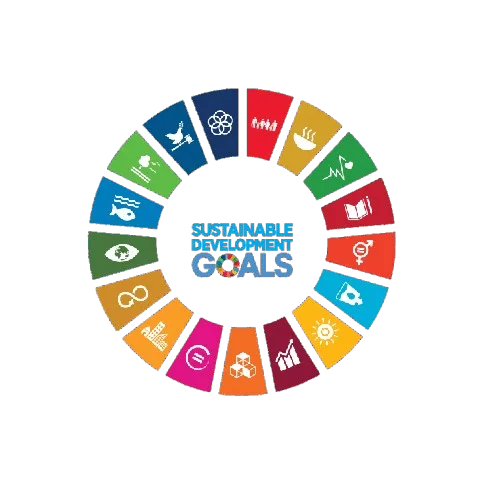
This conference contributes to global sustainability by aligning its research discussions and academic sessions with key United Nations Sustainable Development Goals. It fosters knowledge exchange, innovation, and collaborative engagement.
 SDG 1 — No Poverty
 SDG 4 — Quality Education
 SDG 5 — Gender Equality
 SDG 8 — Decent Work and Economic Growth
 SDG 10 — Reduced Inequalities
 SDG 16 — Peace, Justice and Strong Institutions
 SDG 17 — Partnerships for the Goals
This track explores the fundamental principles and theories that underpin the discipline of political science. It aims to provide a comprehensive understanding of the key concepts that shape political analysis and discourse.
This session focuses on the mechanisms of democratic governance and the various models of democracy across different political contexts. It seeks to analyze the effectiveness and challenges of democratic institutions in contemporary society.
This track examines the theoretical frameworks that inform the study of international political economy. It highlights the interplay between economic policies and political structures on a global scale.
This session delves into the major political theories and ideologies that have shaped political thought throughout history. It aims to critically assess their relevance and application in modern political contexts.
This track investigates the principles and practices of public administration and the processes of policy formulation and implementation. It emphasizes the role of public institutions in shaping economic and social outcomes.
This session focuses on the dynamics of international relations and the structures of global governance. It seeks to explore how states and non-state actors interact within the international system.
This track highlights the various methodological approaches used in political science research. It encourages discussions on innovative techniques and their implications for empirical analysis.
This session examines the relationship between law, justice, and the political order. It aims to explore how legal frameworks influence political stability and social equity.
This track analyzes the structure and function of political party systems and their impact on electoral processes. It seeks to understand the role of parties in shaping political behavior and public policy.
This session explores the behavioral revolution in political science and the emergence of new institutionalism. It aims to assess how these paradigms have transformed the understanding of political behavior and institutions.
This track provides a historical analysis of various political systems and their evolution over time. It seeks to contextualize contemporary political issues within their historical frameworks.