(ICSPEEHS - 27) | Hybrid Event
2nd - 3rd February 2027 |
Bursa, Turkey
(ICSPEEHS - 27) | Hybrid Event
2nd - 3rd February 2027 |
Bursa, Turkey
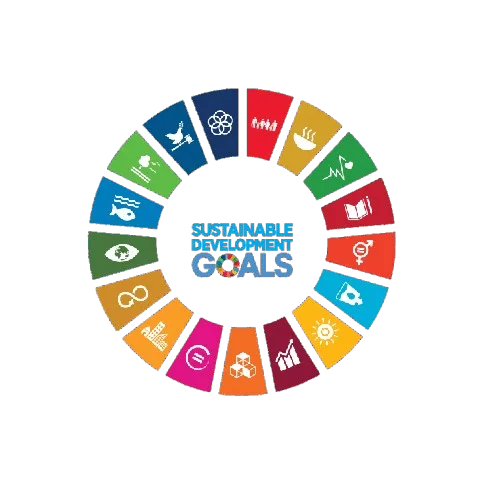
Aligned with
This conference contributes to global sustainability by aligning its research discussions and academic sessions with key United Nations Sustainable Development Goals. It fosters knowledge exchange, innovation, and collaborative engagement.
 SDG 3 — Good Health and Well-being
 SDG 4 — Quality Education
 SDG 8 — Decent Work and Economic Growth
 SDG 9 — Industry, Innovation and Infrastructure
 SDG 10 — Reduced Inequalities
 SDG 11 — Sustainable Cities and Communities
This track focuses on the latest advancements in exercise science, including novel methodologies and technologies that enhance physical performance. Researchers are encouraged to present empirical studies that explore the physiological and psychological impacts of exercise interventions.
This session addresses the principles and practices of adapted physical activity, emphasizing the importance of inclusivity in sports and exercise. Contributions that highlight innovative programs and strategies for individuals with disabilities are particularly welcome.
This track aims to discuss contemporary issues in sports medicine, including injury prevention, rehabilitation, and performance enhancement. Participants are invited to share research findings that contribute to the understanding of sports-related injuries and their management.
This session explores the role of biomechanics in optimizing athletic performance and reducing injury risk. Presentations should focus on the application of biomechanical principles to various sports and exercise contexts.
This track examines the psychological factors that influence exercise behavior, motivation, and adherence to physical activity. Researchers are encouraged to present studies that investigate the interplay between psychological constructs and exercise outcomes.
This session focuses on the development and implementation of exercise prescriptions aimed at promoting health and facilitating rehabilitation. Contributions that highlight evidence-based practices and case studies are highly encouraged.
This track investigates the processes involved in motor learning and skill acquisition in sports and physical education. Presentations should address theoretical frameworks and practical applications that enhance skill development.
This session delves into the physiological mechanisms underlying neuromuscular function and performance in sports. Researchers are invited to share findings that bridge the gap between neuromuscular physiology and practical applications in athletic training.
This track addresses current trends in health and fitness, including the impact of lifestyle changes on physical well-being. Contributions that explore the implications of these trends for public health and policy are particularly welcome.
This session focuses on the science of coaching, including effective techniques and strategies for athlete development. Presentations should highlight research that informs coaching practices and enhances athlete performance.
This track explores the economic and managerial aspects of sports organizations and physical education programs. Researchers are encouraged to present studies that analyze the financial sustainability and operational efficiency of sports entities.