
(ICOPAP - 27) | Hybrid Event
1st - 2nd April 2027 |
Brussels, Belgium
(ICOPAP - 27) | Hybrid Event
1st - 2nd April 2027 |
Brussels, Belgium
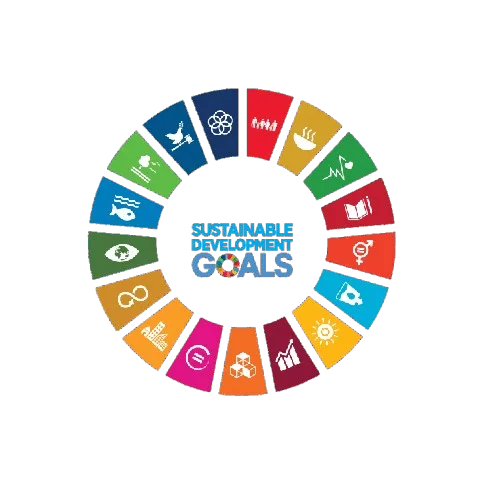
Aligned with
This conference contributes to global sustainability by aligning its research discussions and academic sessions with key United Nations Sustainable Development Goals. It fosters knowledge exchange, innovation, and collaborative engagement.
 SDG 3 — Good Health and Well-being
 SDG 4 — Quality Education
 SDG 8 — Decent Work and Economic Growth
 SDG 9 — Industry, Innovation and Infrastructure
 SDG 10 — Reduced Inequalities
 SDG 16 — Peace, Justice and Strong Institutions
 SDG 17 — Partnerships for the Goals
This track focuses on the development and implementation of innovative pedagogical strategies in health psychology education. Participants will explore how these approaches can enhance student engagement and learning outcomes in the context of health-related topics.
This session will delve into various methods of assessing student learning in psychology, emphasizing authentic assessments and their impact on educational effectiveness. Discussions will include innovative evaluation techniques that align with contemporary pedagogical practices.
This track examines the intersection of cognitive and developmental psychology with health-related issues. Presentations will highlight research findings and pedagogical strategies that address cognitive development in health education.
Focusing on counseling psychology, this session will explore effective counseling techniques and their relevance in educational settings. Participants will discuss how these techniques can be integrated into pedagogical practices to support student well-being.
This track invites discussions on the role of culture in shaping health psychology education and practice. Presenters will share insights on incorporating cultural competence into pedagogy to enhance understanding and empathy among students.
This session will address the integration of technology in teaching psychology, focusing on innovative tools and platforms that enhance learning experiences. Participants will explore best practices for effectively employing technology in health psychology education.
This track will focus on psychological theories and practices related to trauma and recovery, emphasizing their implications for pedagogy. Presentations will highlight educational strategies that prepare students to address trauma in various contexts.
This session will explore the principles of positive psychology and their application in educational settings to promote student well-being. Discussions will include pedagogical strategies that foster resilience and mental health among learners.
This track will examine ethical considerations in health psychology education and practice. Participants will engage in discussions about the importance of ethical frameworks in shaping pedagogical approaches and professional training.
This session will highlight the importance of interdisciplinary collaboration in health psychology education. Presenters will share insights on integrating knowledge from various fields to enrich pedagogical practices and enhance student learning.
Focusing on the critical aspects of research design and analysis, this track will provide insights into effective teaching methods for psychology research. Participants will discuss how to equip students with the necessary skills to conduct rigorous psychological research.