(ICAKMPET - 27) | Hybrid Event
17th - 18th June 2027 |
Greater Valparaiso, Chile
(ICAKMPET - 27) | Hybrid Event
17th - 18th June 2027 |
Greater Valparaiso, Chile
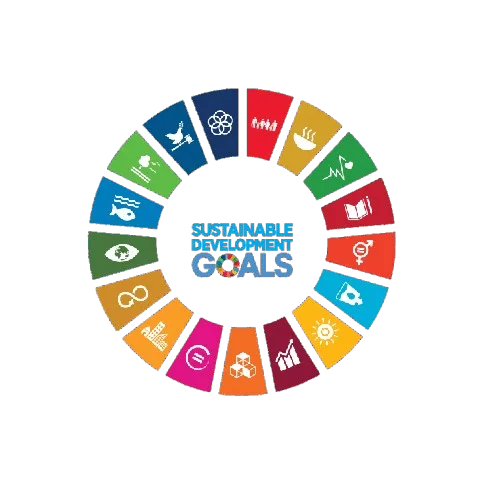
Aligned with
This conference contributes to global sustainability by aligning its research discussions and academic sessions with key United Nations Sustainable Development Goals. It fosters knowledge exchange, innovation, and collaborative engagement.
 SDG 4 — Quality Education
 SDG 8 — Decent Work and Economic Growth
 SDG 9 — Industry, Innovation and Infrastructure
 SDG 10 — Reduced Inequalities
 SDG 11 — Sustainable Cities and Communities
 SDG 12 — Responsible Consumption and Production
 SDG 13 — Climate Action
 SDG 16 — Peace, Justice and Strong Institutions
 SDG 17 — Partnerships for the Goals
This track focuses on the integration of diverse engineering disciplines to foster innovation and problem-solving. Participants will explore case studies and methodologies that highlight the benefits of a multidisciplinary approach in engineering projects.
This session examines effective knowledge management practices that enhance technology development and innovation. Discussions will include frameworks and tools that facilitate knowledge sharing across engineering and technology sectors.
This track investigates the impact of information technology on social structures and cultural dynamics. Papers will analyze how technological advancements influence societal behavior and contribute to social transformation.
This session aims to explore innovative pedagogical strategies that incorporate interdisciplinary research in engineering education. Participants will share insights on curriculum development that bridges engineering with social sciences and humanities.
This track addresses the intersection of sustainable engineering practices and their societal implications. Researchers will present findings on how sustainable technologies can drive positive social change and enhance community resilience.
This session focuses on the role of digital technologies in advancing humanities research. Contributions will highlight how digital tools and methodologies can enrich the study of cultural and social phenomena.
This track explores collaborative frameworks that facilitate multidisciplinary research initiatives. Participants will discuss best practices and challenges in fostering collaboration among diverse academic and professional fields.
This session examines the application of big data analytics in social science research. Papers will explore methodologies for harnessing large datasets to derive insights into social behavior and trends.
This track addresses the ethical implications of deploying new technologies in society. Discussions will focus on frameworks for ensuring responsible technology use that considers social and cultural contexts.
This session investigates the latest trends in knowledge sharing platforms and their impact on collaborative work. Participants will explore how these platforms facilitate knowledge exchange across disciplines and industries.
This track highlights the importance of cultural considerations in engineering design and implementation. Papers will discuss how understanding cultural contexts can lead to more effective and inclusive engineering solutions.