(ICHRCWVS - 27) | Hybrid Event
31st - 1st June 2027 |
Astana, Kazakhstan
(ICHRCWVS - 27) | Hybrid Event
31st - 1st June 2027 |
Astana, Kazakhstan
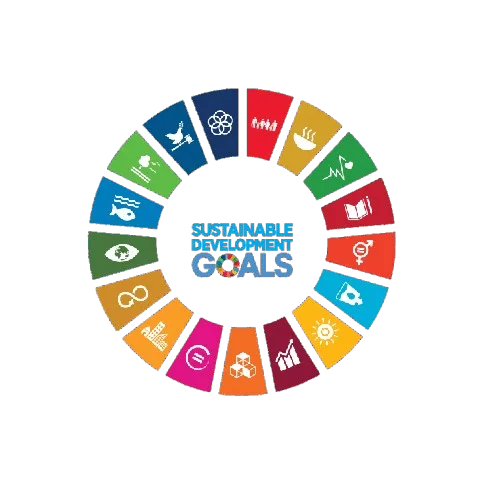
Aligned with
This conference contributes to global sustainability by aligning its research discussions and academic sessions with key United Nations Sustainable Development Goals. It fosters knowledge exchange, innovation, and collaborative engagement.
 SDG 3 — Good Health and Well-being
 SDG 4 — Quality Education
 SDG 5 — Gender Equality
 SDG 10 — Reduced Inequalities
 SDG 11 — Sustainable Cities and Communities
 SDG 16 — Peace, Justice and Strong Institutions
This track explores the critical relationship between human rights advocacy and effective conflict resolution strategies. It aims to analyze how the protection of human rights can facilitate peacebuilding and mitigate violence in conflict-affected regions.
This session focuses on the multifaceted effects of violence on civil society, including social cohesion and community resilience. Participants will examine case studies that illustrate the long-term consequences of civil wars on human rights and governance.
This track delves into the various transitional justice mechanisms employed in post-conflict societies to address past atrocities. Discussions will center on the effectiveness of these mechanisms in promoting reconciliation and restoring human rights.
This session emphasizes the role of policy advocacy in advancing social justice within conflict-affected areas. Scholars and practitioners will share insights on strategies to influence policy changes that uphold human rights and foster peace.
This track examines innovative mediation techniques and their role in successful peacebuilding efforts. Participants will engage in discussions about the challenges and opportunities in mediating conflicts while ensuring human rights are respected.
This session investigates the interplay between governance structures and security measures in the aftermath of civil wars. It aims to identify best practices for establishing effective governance that promotes human rights and community development.
This track focuses on the role of community development initiatives in fostering reconciliation in post-conflict societies. Participants will explore how grassroots efforts can contribute to healing and rebuilding trust among divided communities.
This session addresses the importance of equity and inclusion in the formulation of human rights frameworks. Discussions will highlight the need for diverse perspectives to ensure comprehensive protection of rights in conflict and post-conflict settings.
This track provides a critical analysis of contemporary security studies and their relevance to understanding violence in civil wars. Scholars will discuss emerging trends and theoretical frameworks that inform security policies and human rights protections.
This session explores the influence of international organizations in promoting human rights and mitigating violence in conflict zones. Participants will evaluate the effectiveness of these organizations in shaping policies and practices that uphold human dignity.
This track focuses on innovative and interdisciplinary approaches to understanding and addressing systemic violence. Scholars and practitioners will share research and case studies that highlight successful interventions and their implications for human rights.