(ICTCFD - 27) | Hybrid Event
4th - 5th June 2027 |
Gdansk, Poland
(ICTCFD - 27) | Hybrid Event
4th - 5th June 2027 |
Gdansk, Poland
Aligned with
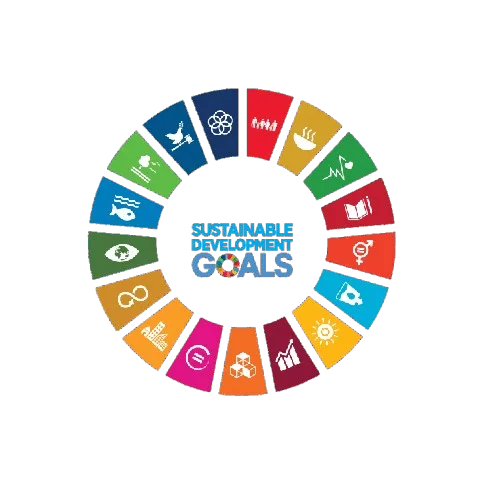
This conference contributes to global sustainability by aligning its research discussions and academic sessions with key United Nations Sustainable Development Goals. It fosters knowledge exchange, innovation, and collaborative engagement.
 SDG 4 — Quality Education
 SDG 9 — Industry, Innovation and Infrastructure
 SDG 11 — Sustainable Cities and Communities
 SDG 12 — Responsible Consumption and Production
 SDG 13 — Climate Action
 SDG 15 — Life on Land
This track will explore the latest innovations in textile dyeing methodologies, focusing on both traditional and contemporary techniques. Participants will discuss the impact of these advancements on color quality and sustainability in the textile industry.
This session will address the integration of sustainable practices in fabric manufacturing processes. Emphasis will be placed on eco-friendly materials, waste reduction, and energy-efficient technologies.
This track will delve into recent chemical advancements that enhance the dyeing process and improve fabric performance. Researchers will present findings on new dye molecules and their applications in textile chemistry.
This session will provide a comparative analysis of natural and synthetic dyes, examining their environmental impact, colorfastness, and application techniques. Discussions will include the benefits and challenges associated with each type.
This track will focus on the critical factors of temperature and time in the textile dyeing process. Presentations will highlight experimental studies that optimize these parameters for various dye types and fabrics.
This session will showcase innovative design methodologies in textile engineering, emphasizing the intersection of aesthetics and functionality. Participants will explore how design influences dye uptake and overall fabric performance.
This track will investigate the latest trends and technologies in yarn dyeing, including advancements in machinery and dye application methods. The session aims to enhance understanding of how yarn dyeing affects final product quality.
This session will address the complexities involved in garment dyeing, including issues related to color consistency and fabric compatibility. Experts will share solutions and best practices for achieving desired outcomes.
This track will explore the historical development of textile dyeing practices, tracing the evolution of methods and materials used throughout different cultures. Participants will gain insights into how history shapes modern dyeing techniques.
This session will focus on the specific dyeing techniques applicable to various fiber types, including natural and synthetic fibers. Discussions will cover the unique challenges and solutions associated with each fiber category.
This track will look ahead to the future of textile chemistry and dyeing, discussing emerging trends, technologies, and research areas. Participants will engage in forward-thinking discussions on how to drive innovation in the field.