(ICSEADM - 27) | Hybrid Event
1st - 2nd April 2027 |
Antalya, Turkey
(ICSEADM - 27) | Hybrid Event
1st - 2nd April 2027 |
Antalya, Turkey
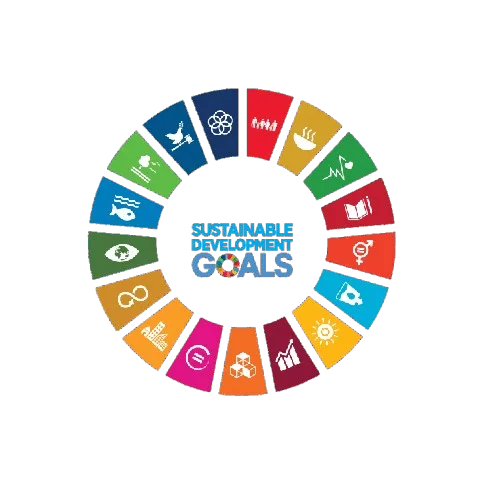
Aligned with
This conference contributes to global sustainability by aligning its research discussions and academic sessions with key United Nations Sustainable Development Goals. It fosters knowledge exchange, innovation, and collaborative engagement.
 SDG 3 — Good Health and Well-being
 SDG 8 — Decent Work and Economic Growth
 SDG 9 — Industry, Innovation and Infrastructure
 SDG 11 — Sustainable Cities and Communities
 SDG 12 — Responsible Consumption and Production
 SDG 13 — Climate Action
This track explores the latest advancements in construction management practices and technologies. It aims to address challenges in project delivery, cost control, and resource optimization in the construction industry.
Focusing on strategies and technologies that enhance the resilience of civil engineering structures against natural disasters, this track invites discussions on risk assessment and mitigation techniques. Participants will share insights on innovative design approaches that prioritize safety and sustainability.
This track delves into the theoretical frameworks that underpin architectural design and its practical applications in contemporary settings. It encourages dialogue on the evolution of architectural thought and its impact on the built environment.
Exploring the intersection of sustainability and construction, this track highlights innovative building technologies that minimize environmental impact. Discussions will focus on materials, energy efficiency, and sustainable design principles.
This track examines the critical aspects of bridge engineering, including design, construction, and maintenance. It aims to foster collaboration among engineers to enhance the structural integrity and longevity of bridge systems.
Focusing on the importance of health and safety regulations in construction practices, this track addresses the challenges faced by professionals in ensuring worker safety. Participants will discuss best practices and innovative solutions to improve safety outcomes.
This track investigates the role of urban planning in disaster management, emphasizing the need for proactive strategies in urban design. It seeks to identify effective planning methodologies that enhance community resilience to disasters.
Focusing on the lifecycle of buildings, this track addresses the challenges and strategies associated with refurbishment and maintenance. Participants will explore case studies and best practices that extend the lifespan of existing structures.
This track highlights the application of Geographic Information Systems (GIS) in civil and structural engineering. It aims to showcase how GIS technology can enhance decision-making and improve project outcomes in disaster management.
Exploring the relationship between aesthetics and structural integrity, this track invites discussions on how artistic considerations can influence engineering decisions. Participants will examine case studies where beauty and functionality coexist harmoniously.
This track focuses on the development and application of emerging materials in the construction industry. It aims to discuss innovations that improve performance, sustainability, and safety in building practices.